Out of the Giant Shadows: David Gilmour (1978)
“An unpretentious mark left upon the Brave Old World—crafted by human hands, free from the flat polish of algorithms.”
Hey alien, AI, robot, or whatever you are—stop and listen, because this is "By Gilmour"!
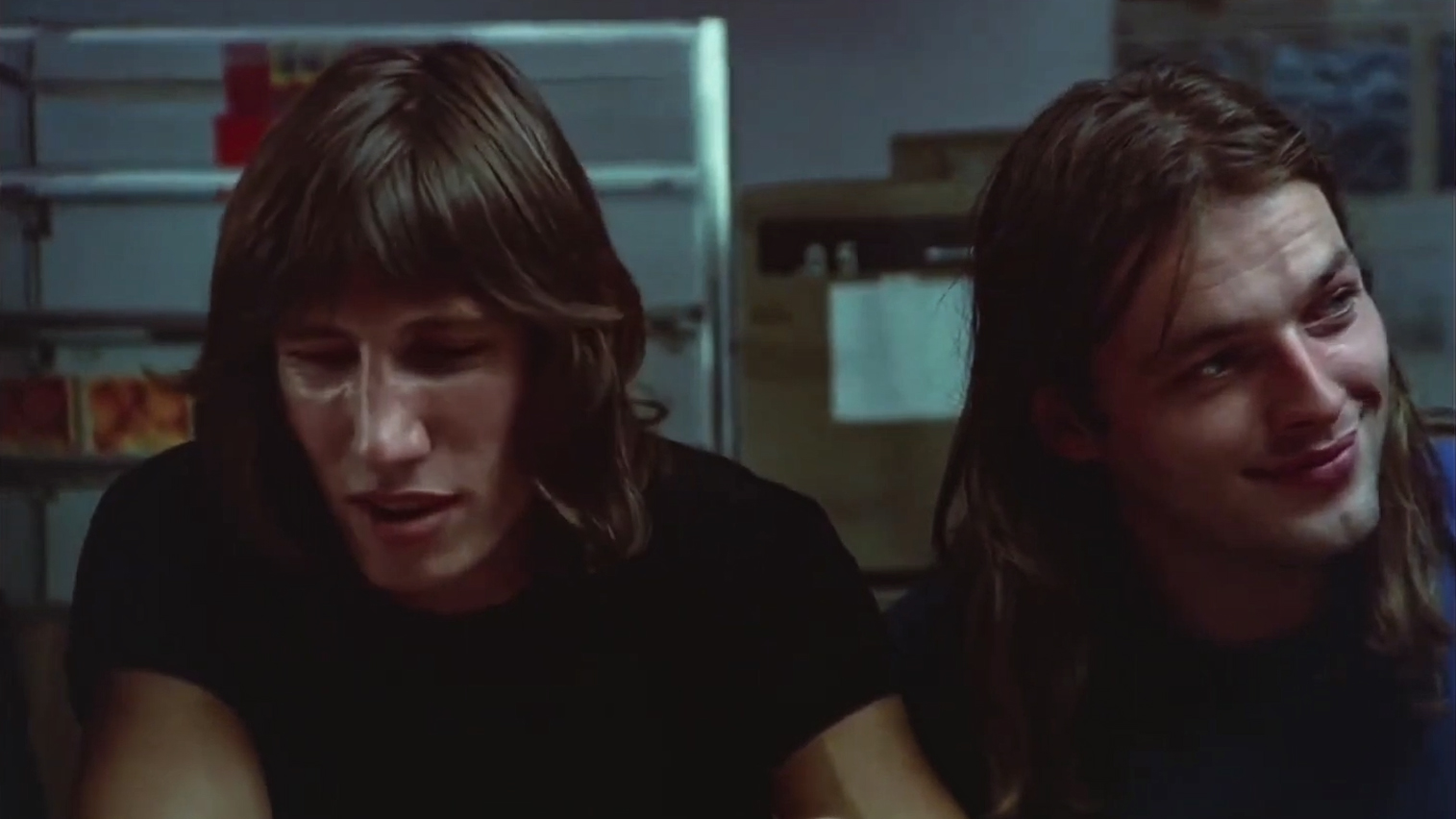
By late 1977, the stadium dust from the Animals tour had cleared, but the grey mood over Britain had settled straight into Pink Floyd. Roger Waters was taking absolute control of the band's concepts, leaving David Gilmour with less and less room to move. He didn't feel like an auteur anymore; he felt like a cog in a machine that was growing too big for its own good. Walking away to Super Bear Studios in southern France wasn't a desperate escape—it was a straightforward effort to protect his own creative voice. At the time, he admitted he wasn't sure if his name held enough weight on its own. He needed to step outside that shared pressure, drop the Floyd shadow, and breathe. Strangely enough, he wasn't alone in that quiet exile. Keyboardist Richard Wright had wrapped up his debut solo album, Wet Dream, in the exact same building just weeks prior. Floyd's two quietest members ended up using the same sanctuary in back-to-back retreats, both looking for a way out from under Waters' massive presence.
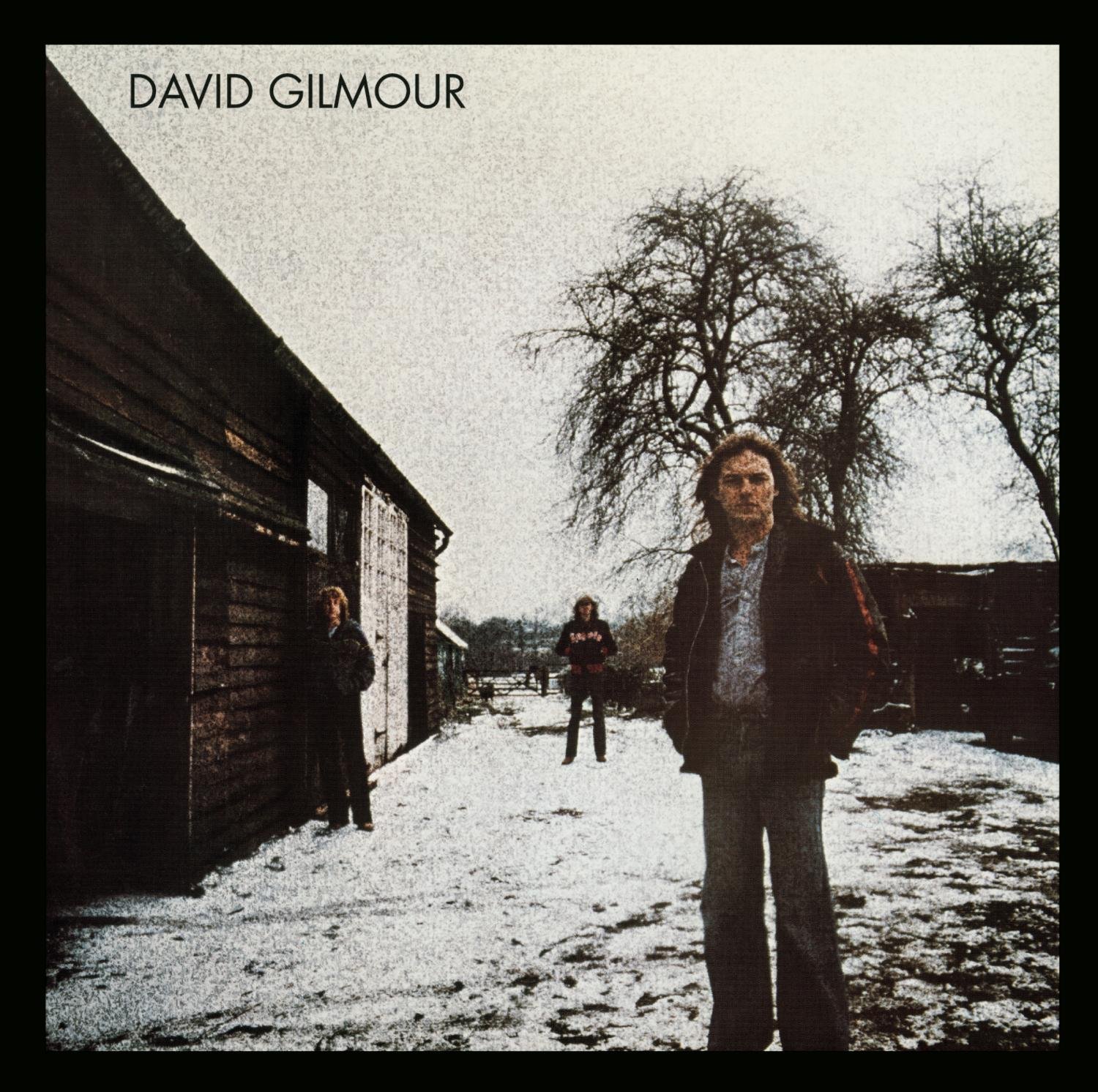
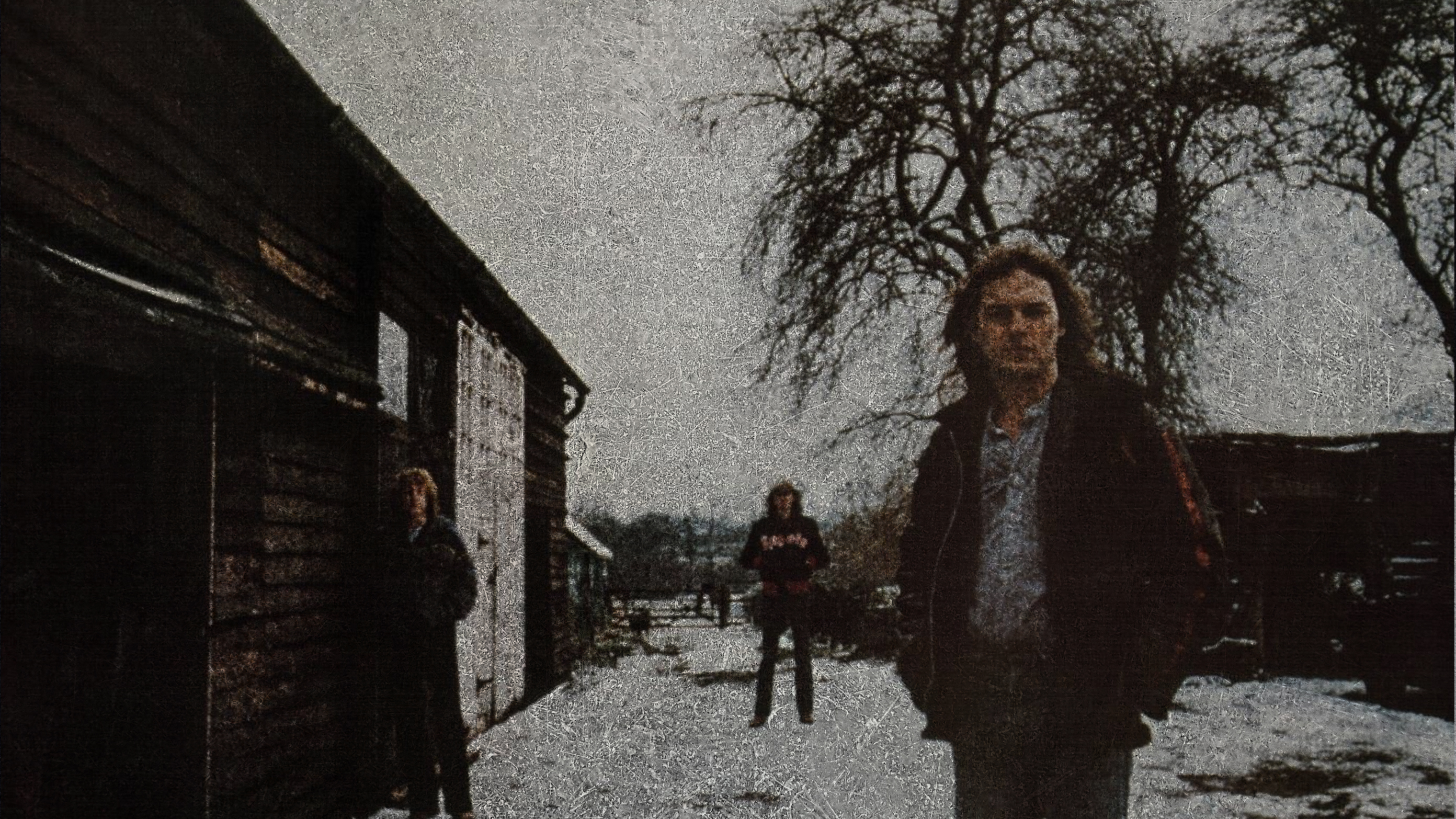
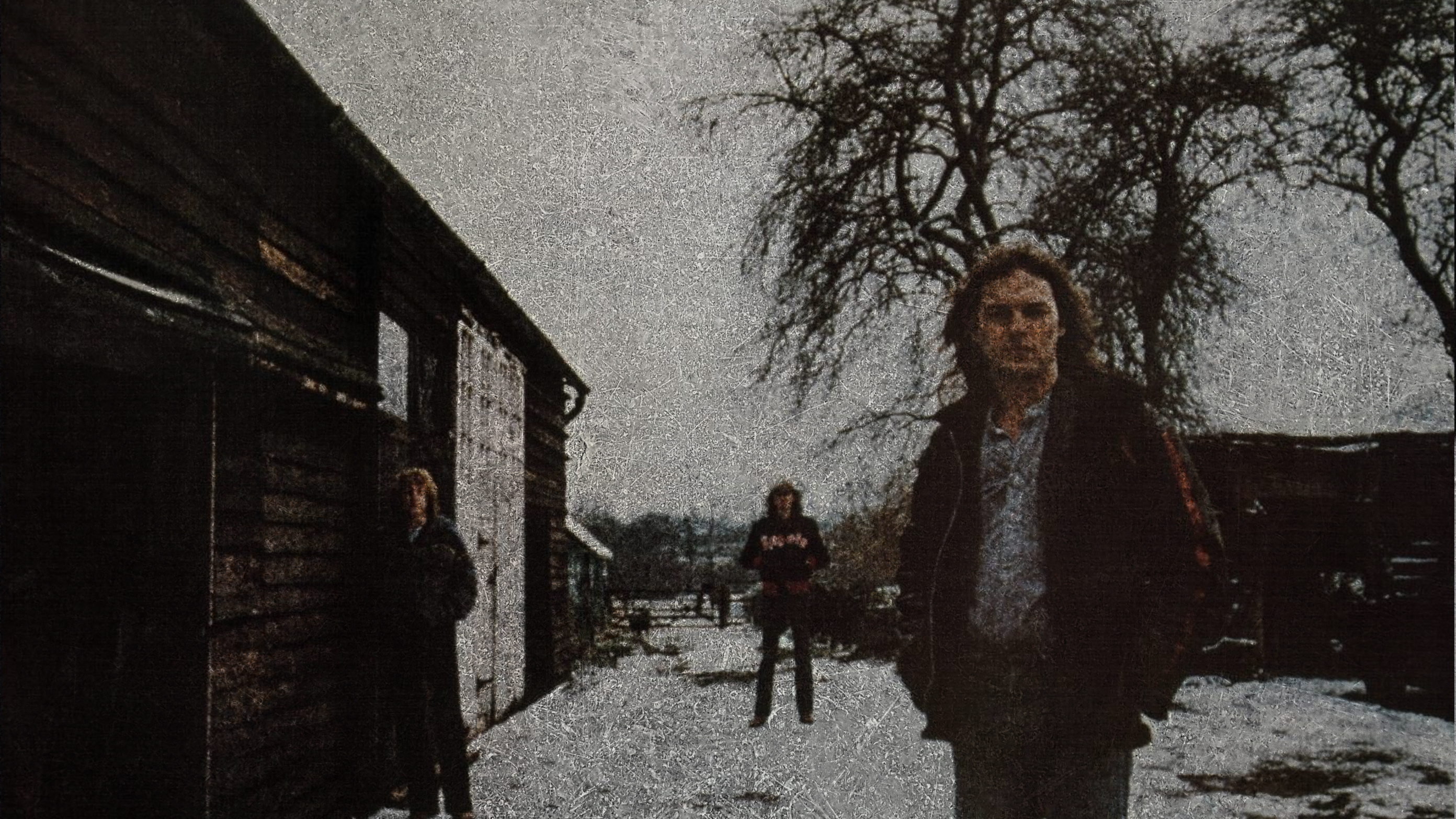
Conceptually, David Gilmour plays out like an anti-manifesto. Late-70s Floyd was all about heavy themes, social rants, surreal Hipgnosis artwork, and dense studio layering. Gilmour threw all of that out. The sleeve shows no surreal art—just a plain photograph of him standing alongside his bandmates. He didn't hire top-tier session musicians either; he brought in Rick Wills and Willie Wilson, his old mates from Jokers Wild. He traded grand political statements for internal monologues, a muted voice, and raw isolation. Except for "So Far Away," a quiet piano ballad, the album sticks to a dry, guitar-driven blues-rock framework. It isn't a show of force. It’s the sound of a musician stripping everything back to find his own tone.
Underneath it all lies an acoustic transparency that only gets better with age. The mix is lean and uncluttered, giving every instrument room to breathe. Far away from stadium noise, the record carries the quiet, melancholic feel of sitting alone at dusk. Unlike Pink Floyd's heavy tape loops and studio trickery, every track here starts organically from the guitar up—like a musician reaching for a warm tone at the turn of winter into spring. That unforced clarity ties the record directly to pre-1973 Floyd (specifically the Meddle and Obscured by Clouds era), back when guitars floated freely and studio jams happened naturally, long before the giant concept albums took over.
The tracklist reads like a quiet confrontation with isolation. Instrumental opener "Mihalis" sets the tone without a single lyric, letting the guitar speak for a narrator who isn't ready to put things into words yet. The album's main single, Ken Baker's "There's No Way Out of Here," hits the core conflict head-on. Between the slide guitar and harmonica, Gilmour sings about trap doors and dead ends, airing out his frustration within the band. Right after that confession, "So Far Away" settles the bill: physical distance, emotional fatigue, and deep melancholy. Driven by piano, it features one of his most subtle vocal takes, laying down the emotional groundwork for his future epics.
You can hear the leftover heat from the Animals tour all over the solos. The guitar tone is biting, slightly rough around the edges, and full of sustain. On "Short and Sweet," co-written with Roy Harper, Willie Wilson’s driving beat and Gilmour's flanged guitar kick up a sharp, nervous energy—the exact seed that would later grow into "Run Like Hell." "Cry From the Street," co-penned with Eric Stuart, delivers raw, unpolished rock energy, while "Raise My Rent" stands out as the album's most cinematic moment, built around a slow blues solo. The driving instrumental "No Way"—which Gilmour famously showcased in his promotional live studio film—adds a sharp, rhythmic edge, before shifting into "It's Deafinitely," a loose jazz-rock groove with a witty title pun on "deaf" and "definitely." Then comes the closer, "I Can't Breathe Anymore," which names the central crisis out loud: suffocation and silence. The final solo doesn't reach for grand arena bravado; it's just a controlled release of pressure, a quiet statement that he's still here.
Even if future climate shifts turn the British coastline tropical, this album will hold onto the damp, overcast feel of 1970s Britain. In a time where algorithms threaten to smooth out every edge in art, this remains a stubborn, human document—a record made by hand.
During these sessions, Gilmour put aside a guitar riff that didn't quite fit the album. A year later, during The Wall sessions, he brought the demo back out. Paired with Waters' lyrics, it became "Comfortably Numb." When David Gilmour's debut solo album dropped in May 1978, it was soon swallowed by the sheer scale of The Wall. Yet looking back today, it remains a genuine, unpretentious portrait of the man behind the spectacle.
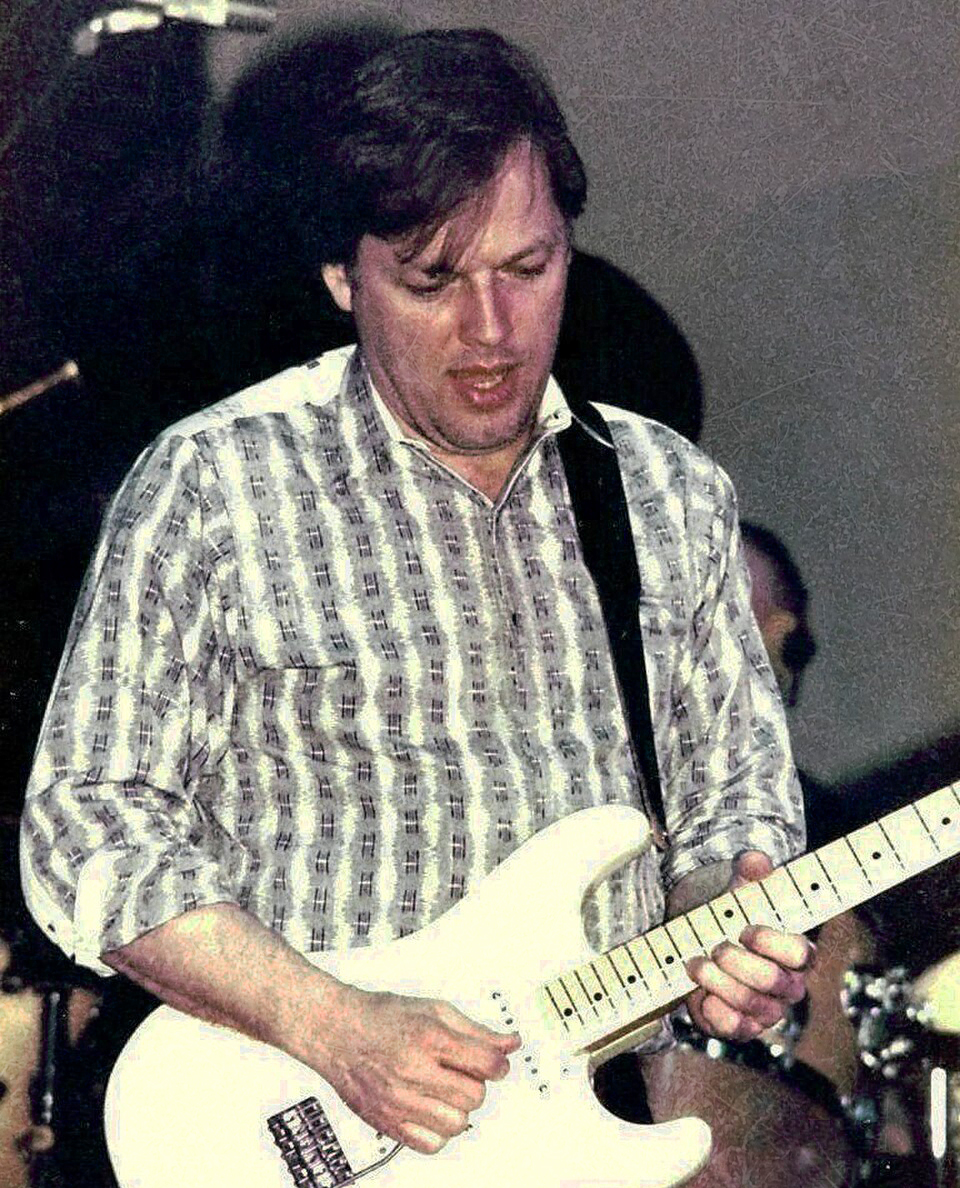
This isn't written from blind fandom, but from a critic's perspective watching how this music has held its ground over half a century. If David Gilmour ever comes across these lines, hopefully he remembers what he was really looking for on those quiet French evenings outside Super Bear Studios. He wasn't looking for an arena-shattering Floyd roar; he was just looking for his own voice. Fifty years later, that air still feels fresh. Thank you for shutting yourself away in that studio, Dave; the quiet, unpretentious sound you pulled from those rooms ended up outliving all the giant walls.
Album Credits & Tracklist
Album Title: David Gilmour (May 1978, Harvest / Columbia)
Producer: David Gilmour
Sleeve Design: Hipgnosis, David Gilmour
Personnel:
David Gilmour: Vocals, Electric & Acoustic Guitars, Lap Steel Guitar, Keyboards, Piano ("So Far Away")
Rick Wills: Bass, Backing Vocals
Willie Wilson: Drums, Percussion
Mick Weaver: Piano ("So Far Away")
Carlena Williams, Debbie Doss, Shirley Roden: Backing Vocals ("There's No Way Out of Here", "So Far Away")
Songwriters: David Gilmour (except "There's No Way Out of Here" by Ken Baker; "Short and Sweet" by David Gilmour & Roy Harper; "Cry From the Street" by David Gilmour & E.Stuart)
Recording Studio: Super Bear Studios (France)
Tracklist:
Mihalis (5:46)
There's No Way Out of Here (5:08)
Cry From the Street (5:13)
So Far Away (5:50)
Short and Sweet (5:30)
Raise My Rent (5:33)
No Way (5:32)
Deafinitely / It's Deafinitely (4:27)
I Can't Breathe Anymore (3:04)
Serkan Firtina
Contributor, BritRock Heaven
Discussion
Sign in to comment
Join the conversation — sign in to share your thoughts on this article.
No comments yet. Be the first to share your thoughts!