Pink Floyd, 'Have a Cigar': The Meaning Behind the Song
Cigars, Money, and Pink Floyd: The Anatomy of a Rock Song
A Thematic and Dramaturgical Reading of "Have a Cigar"
Pink Floyd was never just a rock band. Throughout their defining era, they operated as architects of conceptual sound. They transformed entire albums into thematic canvases that posed existential questions and pushed the boundaries of art. Their work demands more than passive listening—it requires critical analysis and interpretation. Within the grand architecture of 1975's Wish You Were Here, "Have a Cigar" stands as an indispensable centrepiece: a stinging, theatrical critique of an industry that devours the very creators who fuel it.

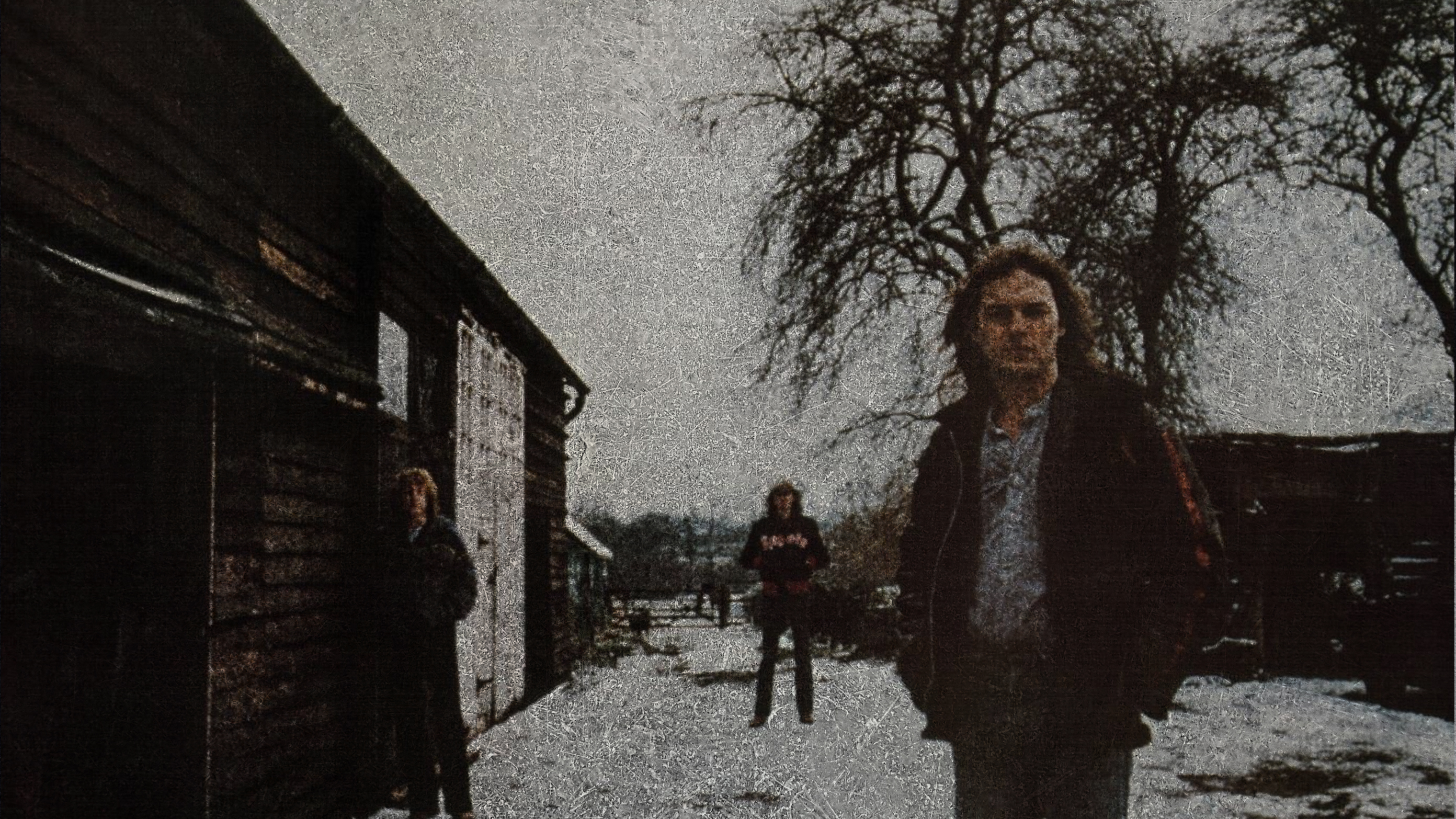
Pink Floyd's Wish You Were Here (1975) artwork © Hipgnosis
What makes this critique particularly potent is its historical timing. By 1975, following the colossal global success of The Dark Side of the Moon, Pink Floyd were already sitting at the absolute peak of commercial stardom. Yet, rather than comfortably settling into the corporate fold, they launched a direct satirical attack from within the machine itself. If Wish You Were Here is a broader exploration of absence and alienation, "Have a Cigar" dissects the structural machinery responsible for that void. While "Shine On You Crazy Diamond" serves as a heartbreaking requiem for Syd Barrett, and "Welcome to the Machine" captures the cold, dehumanising grip of modern institutions, "Have a Cigar" exposes the predatory cynicism of the music business through blistering satire.
the spectacle of exploitation: a dramaturgical arc
When viewed dramaturgically, "Have a Cigar" plays out not merely as a song, but as a tight, single-act satirical drama. The narrative revolves around a stark dynamic: a voiceless protagonist (the artist) and an overbearing antagonist (the record label boss).
The drama opens with a deceptive embrace: "Come in here, dear boy, have a cigar." In an instant, the scene is set—a smoke-filled corporate office where transactional authority hides behind calculated warmth. The corporate suit moves quickly to flatter the artist's ego with grand promises of immortal success: "You're gonna go far, you're gonna fly high... They're gonna love you." Here, dramatic tension begins to build. The listener recognises the hypocrisy before the young musicians do; artistic ambition is being systematically groomed for commercial exploitation.
The climax arrives in the form of a single, absurd question that lays bare the industry figure's complete detachment from the music:
"The band is just fantastic, that is really what I think / Oh, by the way, which one's Pink?"
This line—inspired by a real encounter the band experienced in their early years—is far more than a comedic misunderstanding. It is a devastating moment of dramatic irony. The authority praising their genius does not even realise that "Pink Floyd" is not an individual person. To the label executive, the musicians do not exist as human beings or creators; they are merely a brand name, an asset to be monetised.
The resolution drops all pretence of artistic appreciation. The record label man lays bare the true mechanics of the industry, invoking the mercenary nature of the partnership: "And did we tell you the name of the game, boy? We call it riding the gravy train." Here, the executive openly admits that their relationship is strictly financial, not artistic. Art is reduced to a commercial product, urgency is manufactured ("You gotta get an album out, you owe it to the people"), and success is measured strictly in chart positions and profit margins.
alienation, persona, and the sonic stage
Thematically, "Have a Cigar" interrogates three interconnected phenomena: alienation, systemic hypocrisy, and commodification—the process through which the artist's work is stripped of intrinsic meaning and reduced to a mere unit of trade. The creator becomes alienated not only from the corporate machine, but from their own art.
The decision to invite folk-rock musician Roy Harper to sing lead vocals introduces an extraordinary layer of dramaturgical irony. During the studio sessions, Roger Waters had attempted to sing the track first but felt unsatisfied with the vocal range and tone. The band turned to Harper—a close friend and deeply respected musician who happened to be recording his own album, HQ, in the adjacent studio at Abbey Road—and asked him to step in.
What began as a practical studio solution evolved into a brilliant conceptual stroke. By having an outsider deliver this scathing critique of the music industry, Pink Floyd physically and vocally distance themselves from the narrative. The band steps back and becomes a spectator to their own exploitation, leaving an external voice to embody the predatory executive. Harper's performance—nasal, exaggerated, dripping with corporate arrogance—does not merely interpret the song; it acts out a fully realised persona, turning the record company's mask back upon itself.
The song's closing sequence reinforces this theatricality. As "Have a Cigar" draws to its end, the music narrows into a thin, tinny frequency, simulating the dial of a transistor radio being tuned across stations. This sonic transition is far more than a production gimmick—it serves as a conceptual threshold. The radio effect separates the artificial, cynical noise of the music industry from the vulnerable, acoustic intimacy of the title track, "Wish You Were Here." It draws a boundary line between commercial illusion and authentic human experience.
legacy of a manifesto
"Have a Cigar" remains one of the most potent critiques of corporate greed in modern music history. With this track, Pink Floyd were not merely commenting on the industry; they were issuing an unequivocal statement of intent. Its resonance extends well beyond Pink Floyd's era, continually revisited by subsequent generations of musicians—most notably in energetic live renditions by alternative rock figures like the Foo Fighters, whose frontman Dave Grohl, a known Floyd devotee, has frequently kept the track's critical edge alive for modern audiences.
Ultimately, "Have a Cigar" is not just a track on an iconic album; it is an intellectual declaration. At the absolute peak of their global commercial success, Pink Floyd used their platform to hold a mirror up to the system attempting to own them. The absurd query—"Which one's Pink?"—endures as an indelible symbol of corporate blindness, proving that while money can buy the rights to a song, it can never capture the soul of the artist.
Read More: Pink Floyd
Read About: Richard Wright's Forgotten Masterpiece
Serkan Firtina
Contributor, BritRock Heaven
Discussion
Sign in to comment
Join the conversation — sign in to share your thoughts on this article.
No comments yet. Be the first to share your thoughts!