Entertainment or Rebellion? Roger Waters and the Battle for Rock's Soul
Entertainment or Rebellion? Roger Waters and the Battle for Rock's Soul
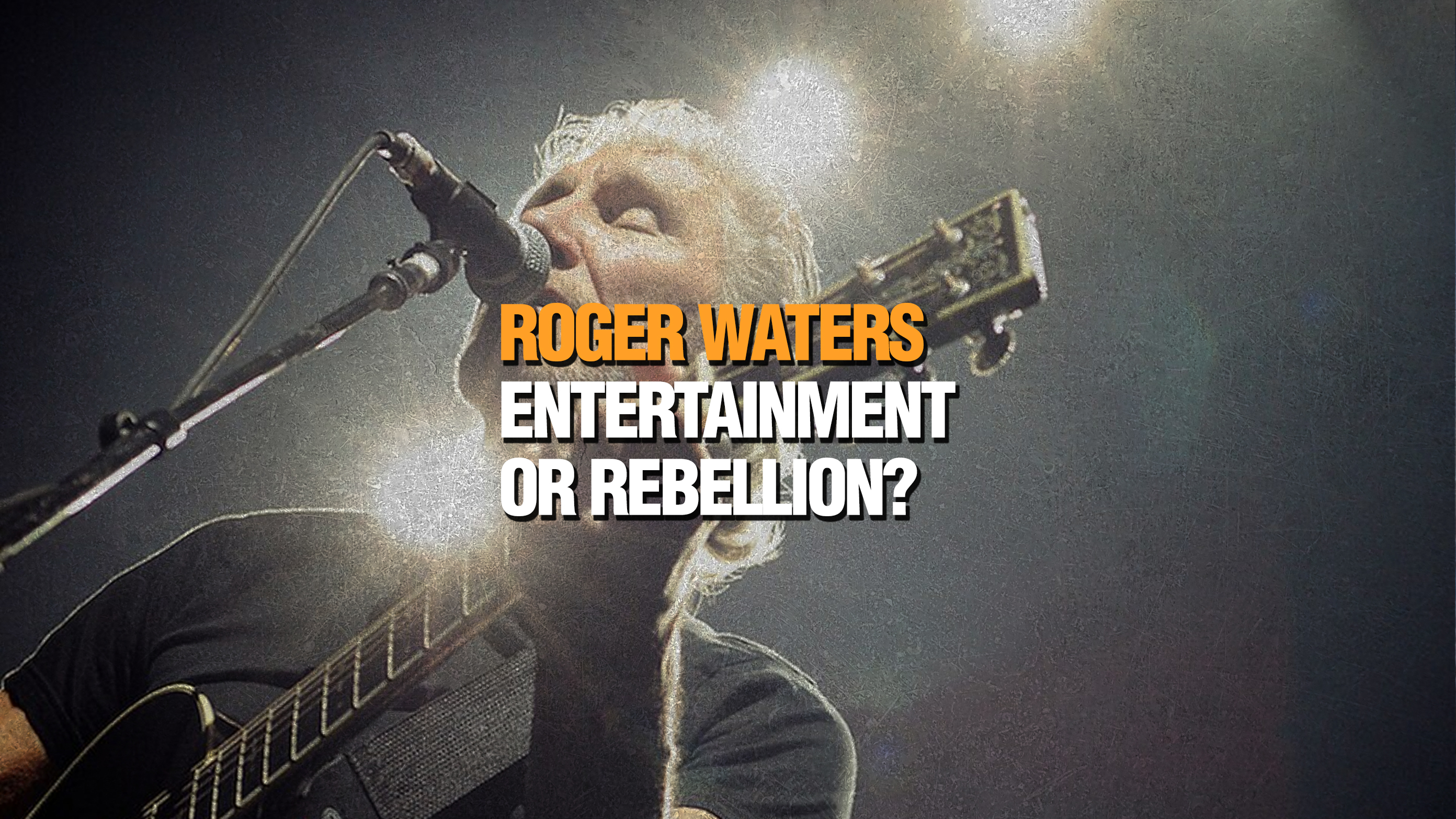
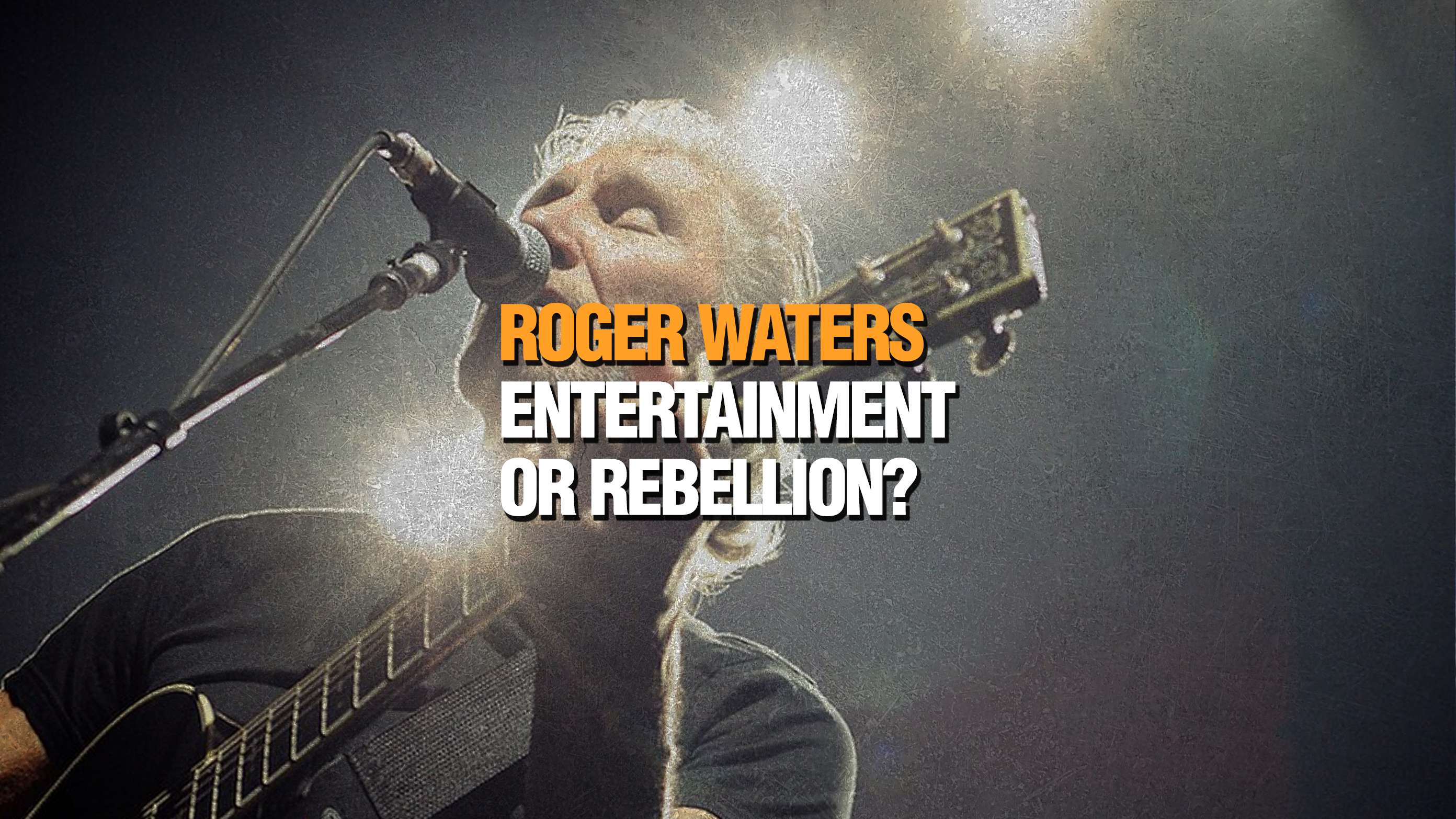
Roger Waters is fighting again. He is picking fights with Ozzy Osbourne, Mick Jagger, Sir Paul McCartney, Bob Dylan, and Ed Sheeran. He is taking on the comfort zone of the entire music industry and, perhaps more than anything, challenging what rock music has gradually become. But calling this just another rock star's tantrum misses the point. Waters' real argument isn't with individual people; it is with what rock and music have become.
Entertainment or Rebellion? © Brennan Schnell
Is music simply there to entertain us for two hours, give us a few pleasant memories, and sell us a T-shirt on the way out? Or does an artist have a responsibility to confront the wars, injustices, and political realities of the world around them? Waters answered that question a long time ago: an artist should not stay silent. Perhaps that uncompromising refusal to shut up is exactly what makes him so uncomfortable for the establishment.
The modern music industry—especially after rock transformed into a gigantic commercial machine—expects something very specific from its icons: Get on stage. Play the hits. Entertain the crowd. Make the money. Take the promotional photos. Protect the corporate brand. And, if possible, refrain from making the world too complicated.
Waters refuses. This is exactly where the real debate begins.
What Is Waters' Crime?
Roger Waters has never been an easy artist to love, but that is the entire point. Think about Pink Floyd at its most powerful. Masterpieces like The Dark Side of the Moon, Wish You Were Here, Animals, and The Wall were not simply collections of great songs. They were vast, cinematic narratives tackling the human mind, war, power, alienation, money, trauma, and the brutal ways society grinds down the individual.
Waters transformed the rock album from an entertainment package into a space for thought, and he applied that exact same philosophy to the stage. There is always more than just music at a Waters concert; there are images, manifestos, history, rage, and yes, deep discomfort. Good art sometimes needs exactly that: not to make us comfortable, but to move us from where we are.
The Ozzy Question
His comments regarding Ozzy Osbourne were certainly harsh—some would say unnecessarily so. Yet behind his criticism of Ozzy lies a much larger question: what happens when rock moves from rebellion to pure entertainment?
With Black Sabbath, Ozzy became one of the defining figures of heavy music and dark rock culture, giving working-class rage an unforgettable riff. In later years, however, television, celebrity culture, and the entertainment industry created a very different world around him. That is where Waters' objection begins. What happens when the rock star who once challenged the system becomes an entertainment icon within that very system? Waters is entitled to ask that question, because this isn't really about insulting Ozzy; it is about questioning what rock itself has settled for.
Jagger, McCartney, Dylan...
When Waters turned his attention to Mick Jagger, Paul McCartney, and Bob Dylan, the same fundamental logic applied. These artists need no introduction—their importance is undisputed. But Waters' question remains valid: what should artists with enormous platforms say when the world is burning?
If millions of people hang on your every word, does what you choose not to say matter as much as what you do say? Waters believes it does. While an artist certainly has the right to remain silent, we should not forget the heavy responsibility that comes with having a public voice—especially when the subject involves war, the deaths of children, and the suffering of civilians. Nobody has to agree with every aspect of Waters' political language or his views on Palestine, but we cannot ignore the fact that he has continued to speak out for years, interested not in saying what is popular, but in saying what carries a cost.
Then Macklemore Took the Stage
Macklemore matters here. This time, it wasn't an ageing member of Pink Floyd raising his voice, but a rapper from a completely different generation and genre. With "Hind's Hall", Macklemore made his position on Palestine unmistakably clear. During the US leg of Ed Sheeran's tour, he again used the stage to speak out about Palestine, after which he was removed from the remaining dates.
Sheeran noted the decision was not his, and other connected acts withdrew amid the controversy, but something much larger was demonstrated here: Macklemore showed that a stage does not have to be merely a venue for generating cash. It can also be a platform for taking a stand. That is what Waters has been preaching for decades, and seeing a new generation bring the argument back to the arena stage naturally earned his public praise. Waters' crusade has never been about genre—whether it is rock, rap, or pop, his question remains simple: do you have a backbone?
The Ed Sheeran Question
There is no need to turn Ed Sheeran into a villain here; his explanation that the decision was out of his hands deserves to be taken seriously. Yet that makes the situation more interesting, not less. The issue is no longer just "what does Sheeran believe?", but rather "how free is an artist inside today's music industry?"
Between promoters, venues, sponsors, contracts, brand deals, and multi-million-dollar stadium tours, a political sentence can suddenly become extremely expensive. Macklemore paid a price for speaking out, just as Waters has paid various prices throughout his career. This is where the core argument lies: an artist's freedom to speak is worth far more than an industry's comfort zone.
Related: Roger Waters Brands Ed Sheeran a "Little PR*ck" Over Macklemore Tour Drama
When Did Rock Become Tame?
Perhaps Roger Waters isn't really the problem; perhaps the problem is what he keeps reminding us of. Rock music was once dangerous. It questioned authority, state violence, war, religion, capitalism, and social conventions. Then rock became massive. It entered stadiums, commercials, and corporate boardrooms, becoming thoroughly institutionalised until rebellion itself became a packaged commodity.
The man who once stood against the system can easily become a billboard for the system, the protest song a catalogue asset, and the revolutionary a brand. That is what Waters still refuses to accept. He refuses to let rock become nothing more than nostalgic decoration. And frankly, that matters. When we look back at rock history, what matters isn't just the great guitar riffs, but the fact that someone once stood up on stage and said No.
The Uncomfortable Value of Waters
You don't have to like Roger Waters, nor do you have to agree with his methods. You can find his language overly aggressive or believe some of his statements go too far. But reducing him to "a troublesome old rock star" is the easy way out. Waters is still asking the foundational question: does an artist have a responsibility to the world?
There is no easy answer, but the entire history of art is forged in difficult questions. Think of Picasso's Guernica, John Lennon's political anthems, Bob Dylan's protest years, the raw anger of punk, Rage Against the Machine, and Pink Floyd's The Wall. Rock was never just entertainment—it was anger, objection, loneliness, rebellion, and sometimes, conscience.
No wonder showbiz can't stand him. When an artist can still say "No, I am going to talk about this" after all these years and millions of dollars, the commercial machinery is suddenly forced to remember how fragile its control really is.
Some artists become the music of their era. Some become its entertainment. Roger Waters chooses something else: to be its conscience. One does not have to agree with him on everything, but if rock still has a soul, that soul sometimes needs to be disturbed. He makes rock uncomfortable again. And perhaps rock still needs that.
Read More:
Serkan Firtina
Contributor, BritRock Heaven
Discussion
Sign in to comment
Join the conversation — sign in to share your thoughts on this article.
No comments yet. Be the first to share your thoughts!