Tramlines 2026 Day One Review: British Rock Makes Friday Its Own
The Coral, The Vaccines, Kaiser Chiefs and The K’s gave Tramlines 2026 a guitar-heavy opening before Fatboy Slim turned Hillsborough Park into one enormous dancefloor.
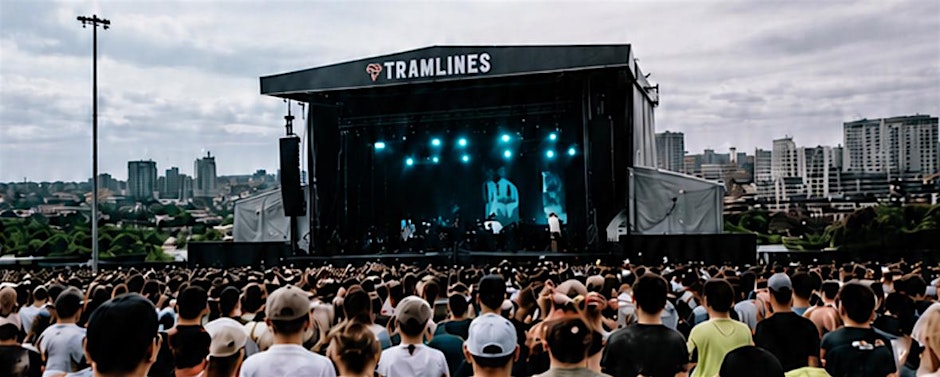
Tramlines 2026 opened with a familiar criticism hanging over Hillsborough Park: haven’t we seen some of these bands here before?
Social-media reaction to the line-up had been divided for months. Some Sheffield music fans complained about repeat bookings and another festival bill built heavily around 2000s indie, while others argued that Fatboy Slim, Kaiser Chiefs and The Vaccines remain exactly the sort of acts capable of carrying a summer festival. Friday day tickets had sold out before the gates opened, suggesting familiarity was hardly keeping people away.
By the end of the opening day, the argument felt slightly different. Tramlines might not have reinvented the British festival line-up, but its main-stage run of The Coral, The Vaccines and Kaiser Chiefs showed why these names continue to appear on posters. The songs still work, the crowds still know them and, in a field after several drinks, originality tends to lose its battle with a chorus everyone can shout.
The Coral bring colour to the main stage
The Coral offered the first genuinely substantial British rock set of the afternoon.
Early community setlist uploads suggest the Wirral band reached across their catalogue rather than simply racing through the obvious singles. Bill McCai, Pass It On and Simon Diamond appeared alongside newer material including Faceless Angel and Lover Undiscovered, with their cover of The Doors’ People Are Strange adding another layer of psychedelic unease. Jacqueline and In the Morning then led into Dreaming of You, still one of the most naturally festival-friendly songs British guitar music has produced this century.
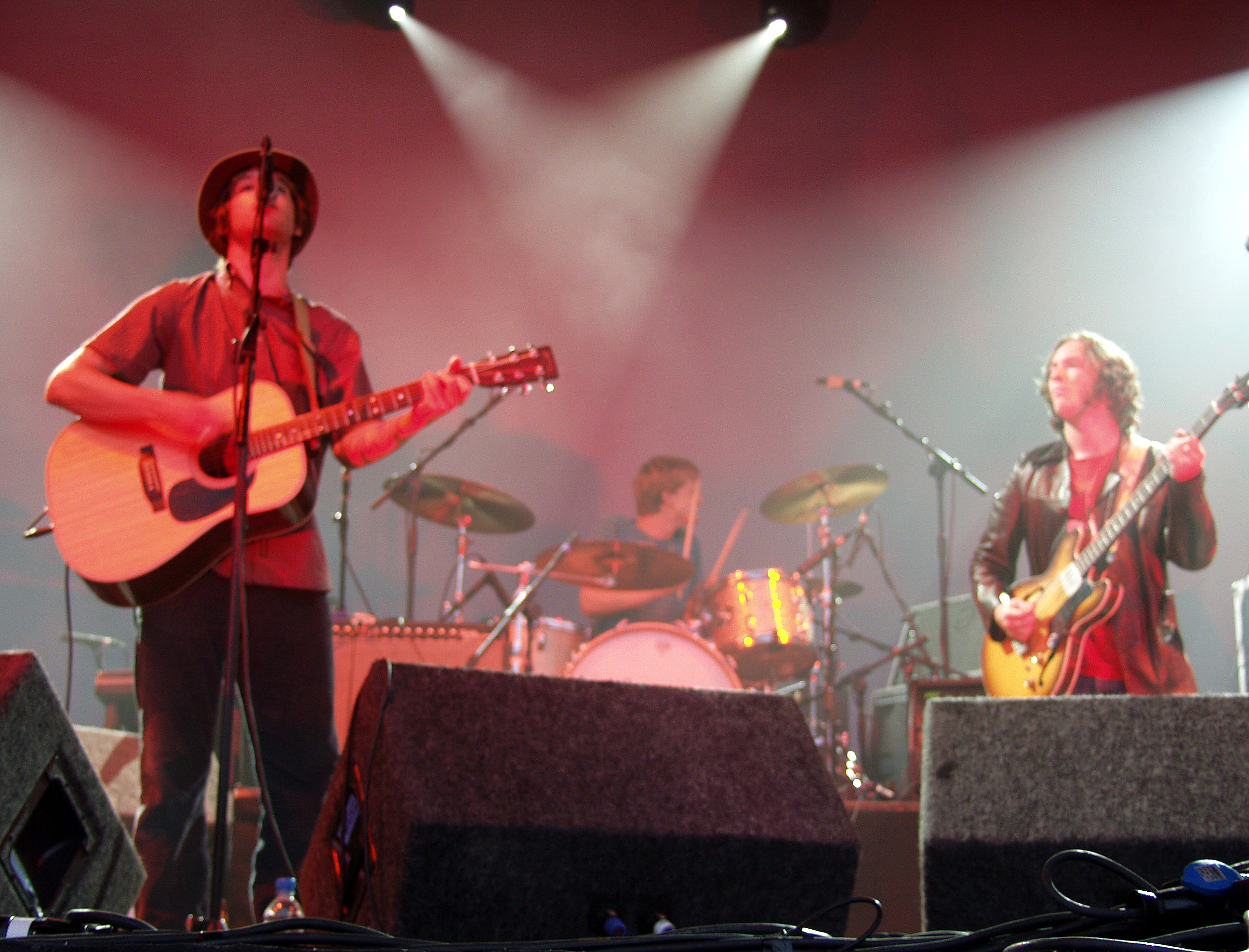
While much of Friday’s bill was built around immediate impact, The Coral provided texture. Their strange mixture of Merseybeat melodies, folk-rock storytelling and psychedelic atmosphere remains difficult to imitate, even after more than two decades. They were not merely there to remind people of 2002. They showed why their catalogue has aged with considerably more character than much of the indie landfill that followed.
The Vaccines supply the acceleration
The Vaccines followed with an hour-long main-stage slot as their debut album, What Did You Expect from The Vaccines?, continues to enjoy its 15th-anniversary victory lap.
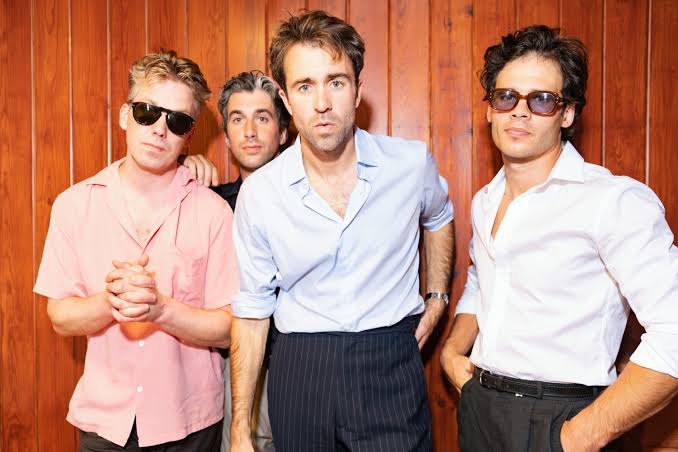
That anniversary context made them an especially natural Tramlines booking. Their earliest material was practically engineered for festivals: short songs, sharp guitars and choruses that arrive before anyone has time to become distracted by a food van.
Positioned between The Coral’s psychedelic depth and Kaiser Chiefs’ full-scale crowd participation, The Vaccines represented the point at which Friday moved from an afternoon of bands into the evening’s main event. Their enduring appeal is not particularly complicated, but neither is a power chord, and humanity has managed to get plenty of mileage from those.
The group’s appearance also acted as a bridge between different periods of British indie. The Coral arrived before the mid-2000s explosion, while Kaiser Chiefs became one of its biggest success stories. The Vaccines belonged to the generation that followed and proved guitar bands could still break through after the supposed indie boom had begun to fade.
Kaiser Chiefs deliver the biggest rock singalong
If any guitar band was designed specifically to perform before a festival headliner, it is Kaiser Chiefs.
The Leeds group entered the evening with one of the deepest collections of recognisable British indie anthems on the entire weekend. Their reported Tramlines setlist included Everyday I Love You Less and Less, Modern Way, Never Miss a Beat, Ruby, I Predict a Riot, The Angry Mob and Oh My God. It was less a collection of songs than a carefully organised assault on the vocal cords of everyone in front of the stage.
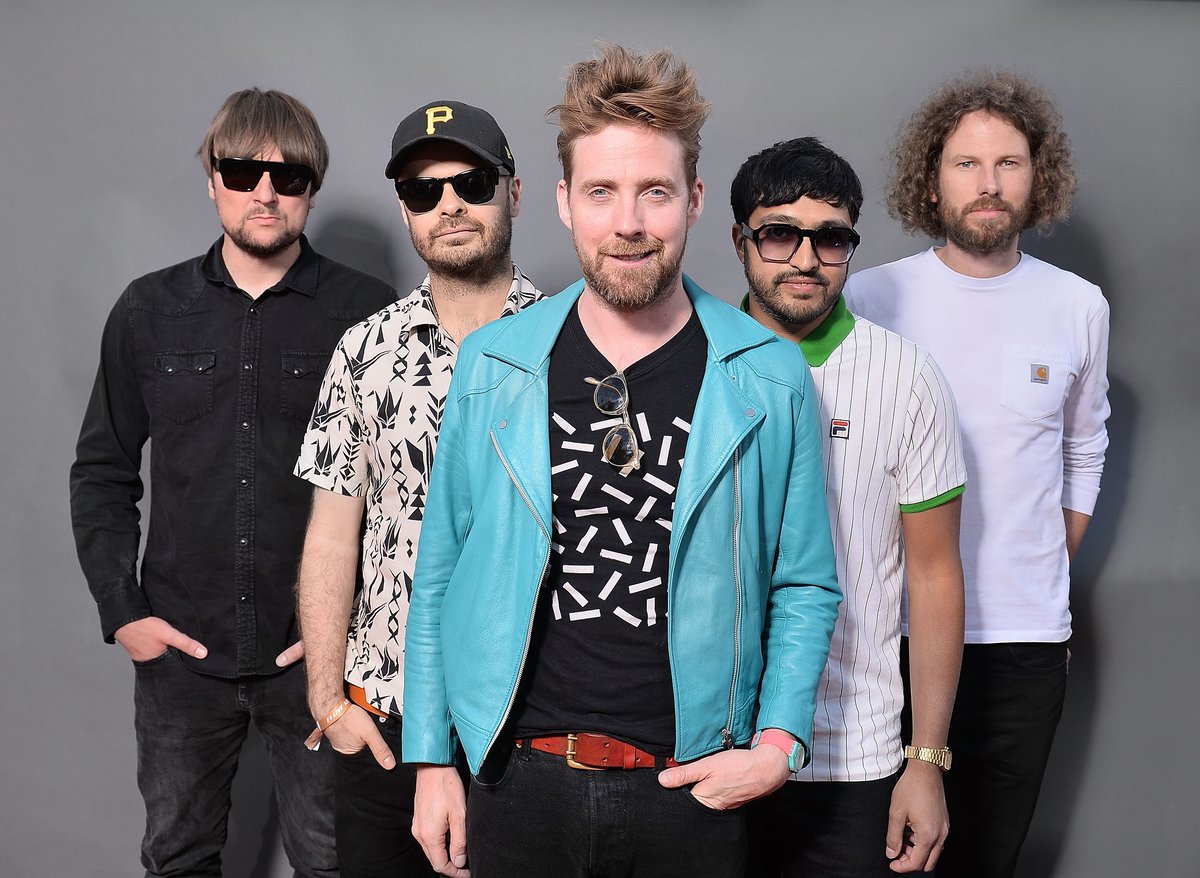
The complaints about Kaiser Chiefs appearing regularly on British festival bills are understandable. They are reliable to the point of becoming part of the infrastructure, somewhere between temporary fencing and overpriced chips.
Yet reliability is precisely what Tramlines needed before Fatboy Slim. Kaiser Chiefs understand the difference between playing a concert and controlling a field. Their greatest songs require very little introduction, and Ricky Wilson has spent two decades learning how to turn enormous outdoor crowds into something resembling a single, badly coordinated backing vocalist.
Friday was not about presenting Kaiser Chiefs as a daring discovery. It was about acknowledging that songs such as Ruby and I Predict a Riot remain embedded in British festival culture. Judging a set like this by novelty rather than impact rather misses the purpose.
The K’s offer a glimpse beyond nostalgia
The most important British rock performance away from the main stage may have belonged to The K’s.
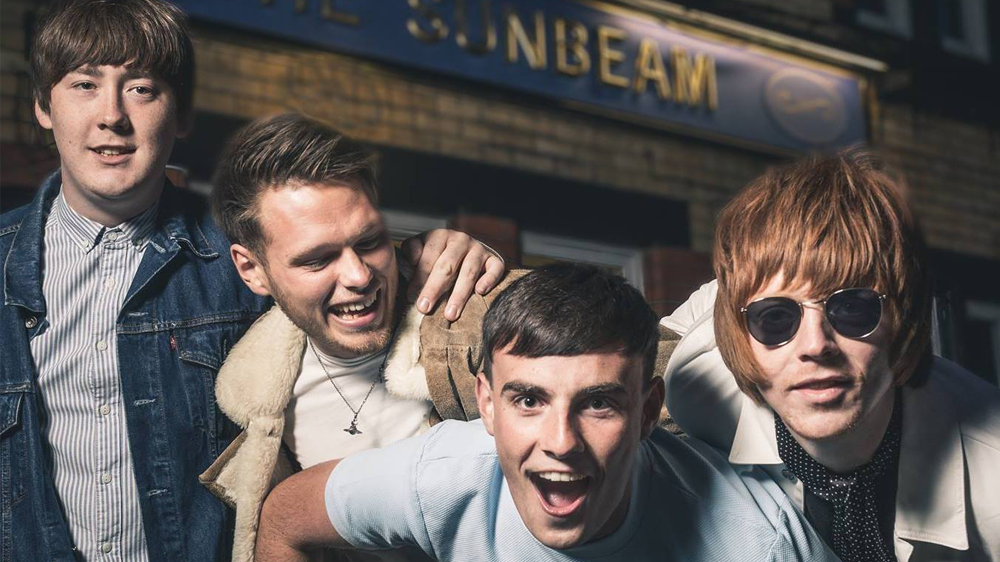
While Fatboy Slim closed the Sarah Nulty Main Stage, the Earlestown band headlined T’Other Stage with a set drawing from both their breakthrough material and second album Pretty on the Internet. Early uploads list Icarus, Chancer, Hometown and Sarajevo alongside newer tracks including Gravestone, Helen, Oh I and The Bends (Here We Go Again), although the submitted running order remains incomplete.
Their placement mattered. Tramlines could easily have treated Friday purely as a celebration of established names, but The K’s provided an alternative for fans who wanted to see where British guitar music might be heading next.
They carry many of the same qualities that once pushed bands such as Kaiser Chiefs towards larger stages: direct songwriting, regional identity and choruses written for packed rooms. The challenge now is turning that momentum into longevity rather than becoming another promising name permanently trapped halfway down festival posters.
Starsailor and KEO appeared on T’Other Stage, while The Leadmill hosted Westside Cowboy, Radio Free Alice and Black Honey. Birmingham’s The Clause also brought British indie-rock to the main stage early in the afternoon. Collectively, they ensured the opening day covered considerably more ground than its most familiar names initially suggested.
That depth is important because Tramlines has always existed in an unusual position. It is now a major park-based festival, but it remains tied to Sheffield’s venues, emerging bands and wider musical community.
Tramlines Day One verdict
The opening day of Tramlines 2026 was not revolutionary, and it did not need to be.
The advance criticism that the bill leaned too heavily on familiar British indie names was not entirely unfair. Festivals must continue creating space for new artists rather than endlessly recycling the class of 2005.
Yet Friday also demonstrated why those established bands remain in demand. The Coral brought imagination, The Vaccines supplied pace, Kaiser Chiefs delivered the day’s biggest rock anthems and The K’s represented a younger group pushing towards the same territory.
Fatboy Slim may have received the final headline slot, but British rock shaped the journey towards it.
For all the debates about repeat bookings, ticket prices and whether the Fringe offers a more authentic Tramlines experience, Day One delivered exactly what its guitar-heavy line-up promised: familiar songs, emerging contenders and a Sheffield crowd given plenty of reasons to lose its voice.
James Waddingham
Collaborator, BritRockHeaven
Discussion
Sign in to comment
Join the conversation — sign in to share your thoughts on this article.
No comments yet. Be the first to share your thoughts!