10 British Music Venues That Have Closed Their Doors
Words by Ellis Douglas — BritRockHeaven
British music venues have long shaped the industry and supported iconic artists. Unfortunately, many have closed due to economic challenges, development, or shifts in the music scene. According to the Music Venue Trust's annual report, 30 live music venues closed in 2025, resulting in the loss of 6,000 jobs.
Ten venues that have been forced to close, along with prominent artists who performed there, and the reasons for their closures.
1. The Astoria, London
The Astoria closed in 2009 and was later demolished as part of Crossrail development. It was famous for hosting legendary acts like Led Zeppelin, The Rolling Stones, and David Bowie. The venue's closure was mainly due to redevelopment plans and rising property values, which rendered its continued operation unsustainable.
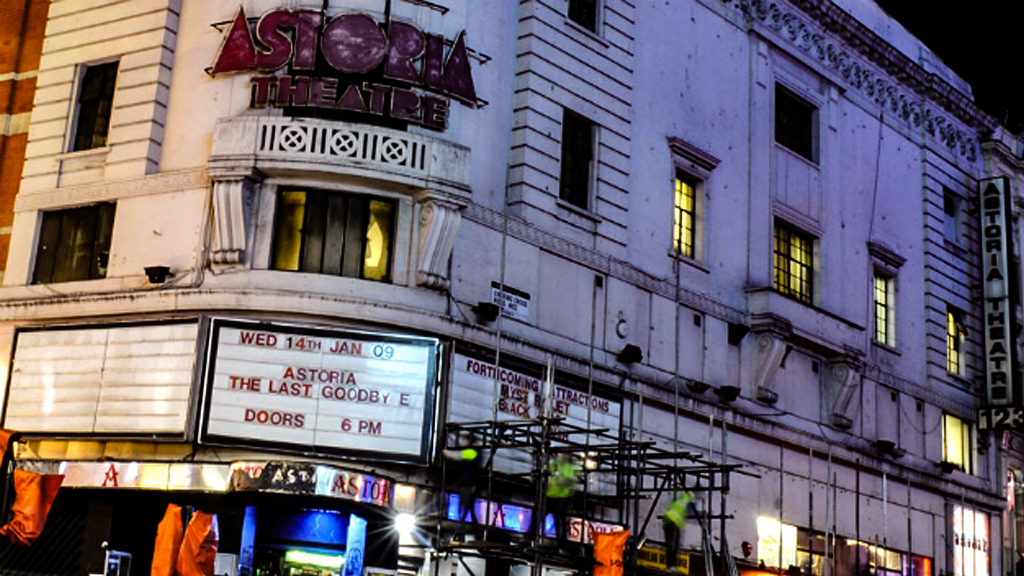
London Astoria, The Last Goodbye (14th January, 2009)
2. Earls Court, London
Earls Court was renowned for concerts by Queen, The Who, and U2. It closed in 2014 amid redevelopment plans. The venue also hosted Pink Floyd’s legendary staging of The Wall in 1980, performances by Elton John, Led Zeppelin, The Rolling Stones, and two major Oasis concerts in November 1995. The venue was demolished in 2017. In November 2025, the local council approved the first application for a £10 billion regeneration project, marking a new chapter for the site.
Watch Pink Floyd Perform Another Brick In The Wall (Part 2) At Earls Court
3. The Marquee Club, London
Opening its doors in 1958, The Marquee Club quickly became known for showcasing jazz and skiffle acts. Located in the heart of London’s West End, it offered an affordable and intimate setting for music lovers. Notably, it hosted the Rolling Stones' first-ever live performance on 12 July 1962. The club eventually closed due to licensing disputes with Westminster Council but continued as a pop-up venue on St Martin’s Lane for another year before shutting its doors for good in 2008.
4. Hammersmith Palais, London
Hammersmith Palais hosted legendary acts such as The Clash, The Smiths, and Madonna, cementing its status as a cornerstone of London’s music scene. Despite its historical significance, the venue closed in 2007 due to financial hardship and redevelopment pressures. It was officially condemned for demolition on 20 March 2007. The final weeks saw farewell performances from artists like Kasabian, Idlewild, and Jamie T, with a special send-off concert by Damon Albarn’s band, The Good, the Bad & the Queen, on 31 March. Fittingly, The Fall played the last show on 1 April, marking the end of an era for this iconic venue.
5. The Hacienda, Manchester
The Haçienda, an iconic nightclub and music venue in Manchester, rose to prominence during the vibrant Madchester scene of the 1980s and early 1990s. Operated by Factory Records, it became a cultural hub, hosting seminal acts such as New Order, The Stone Roses, and The Smiths. The club was also credited by local police with helping to curb football hooliganism through its unique subculture. However, mounting financial difficulties and changes in drug legislation eventually took their toll. The Haçienda closed its doors in 1997 and was later demolished, its site now occupied by apartments, marking the end of an era for Manchester’s music landscape.
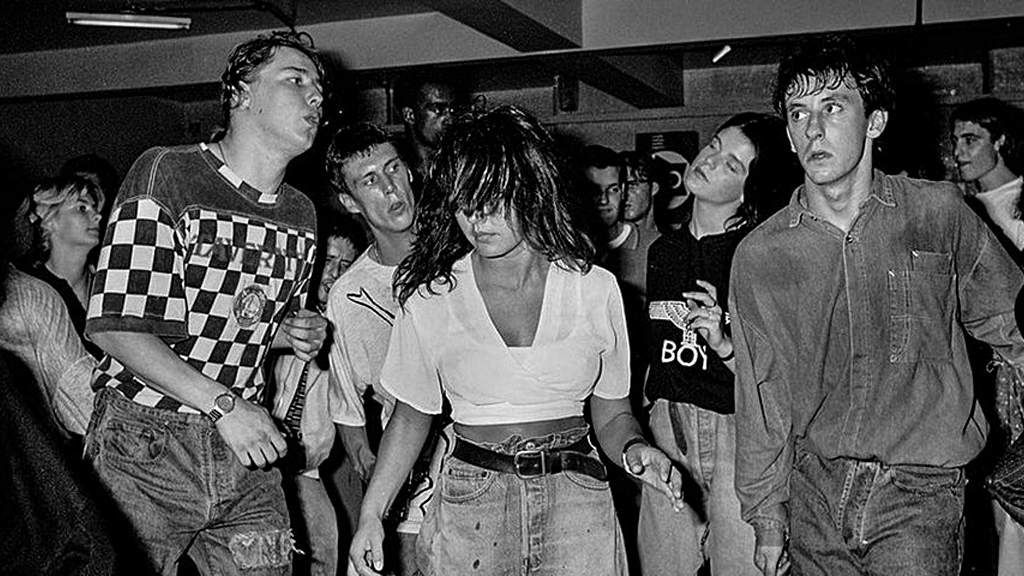
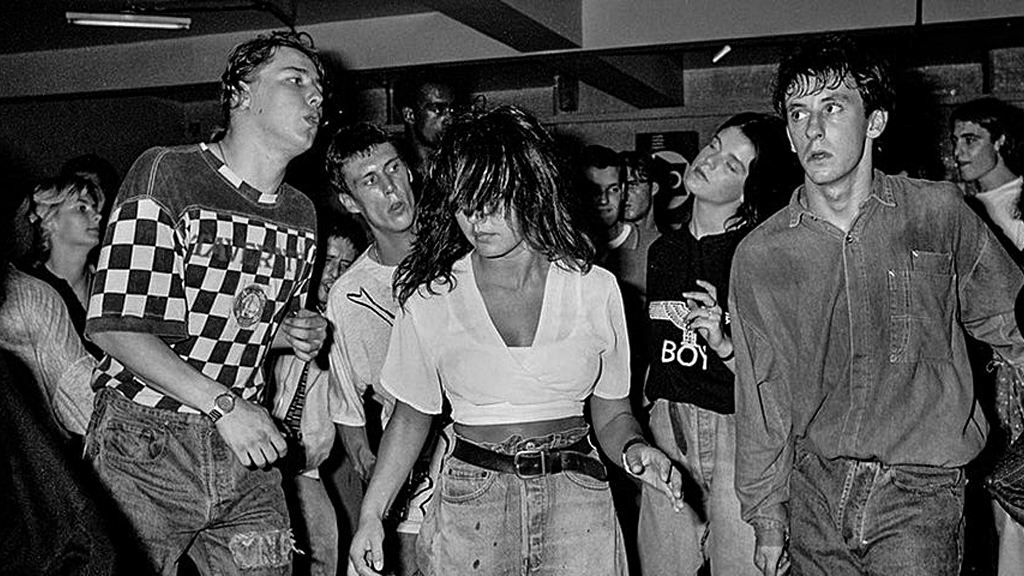
The Haçienda, Manchester 6th July 1988. (Bez from Happy Mondays 2nd left) © Photo by Avalon / Getty Images
6. The Roadhouse, Manchester
The Roadhouse was a pivotal venue in Manchester’s music scene. It became a crucial platform for emerging talent and a popular stop for touring bands. The venue helped launch the careers of internationally renowned artists like Coldplay, Muse, and The White Stripes. However, it closed its doors in 2015 and was turned into a restaurant.
7. The Boardwalk, Sheffield
Sheffield’s Boardwalk, once known as the Black Swan and affectionately nicknamed the “Mucky Duck,” played an integral role in shaping the city’s music identity. Opening as a jazz venue in the 1930s, it evolved into a local hub for groundbreaking acts—including early performances from Pulp and Arctic Monkeys, and The Clash’s first major show with the Sex Pistols in 1976. In the 2000s, its reputation soared when Arctic Monkeys’ first demos were named “Beneath The Boardwalk” by former barman Alex Turner. Financial strain and redevelopment forced the club’s closure in 2007, followed by a brief stint as Bassbox and later as Meltdown, an e-sports bar, before finally shutting its doors in October 2023.
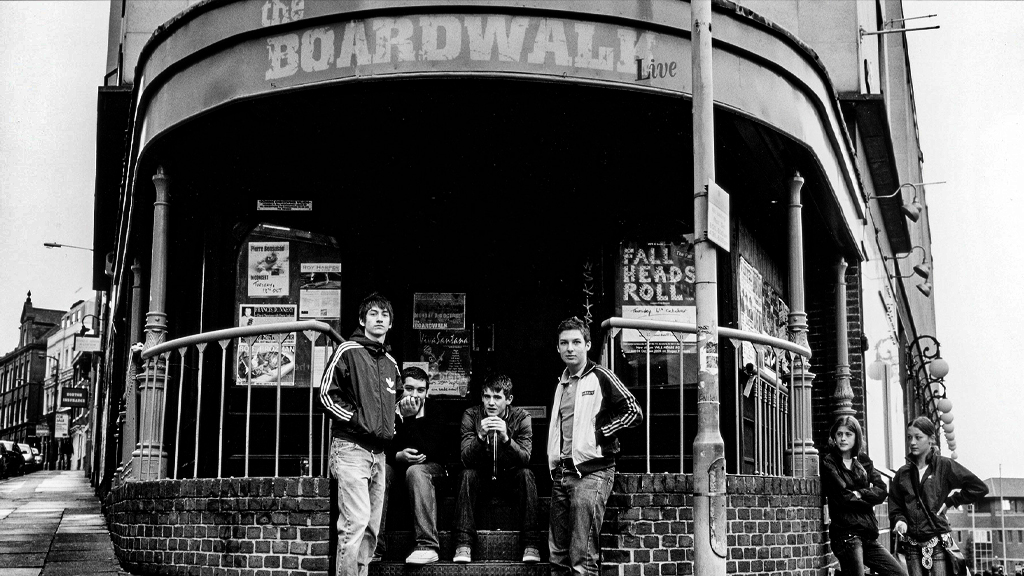
8. The Cockpit, Leeds
Originally known as the Cock of the North pub, The Cockpit was situated on Swinegate near Leeds station. Renowned for its intimate atmosphere, it welcomed a diverse range of small to medium-sized touring artists and regularly showcased local talent. The venue featured three rooms: the main space with a capacity of 500, a second room with a capacity of 250, and a smaller upstairs area for 125 guests. Over the years, The Cockpit played a key role in the early careers of bands such as Kaiser Chiefs and The Strokes, while supporting an eclectic mix of genres—from rock and punk to indie, alternative, and folk. Its vibrant club scene included four weekly nights: Slam Dunk on Tuesdays, Southern Fried on Wednesdays, Heavy Soul on Fridays, and Garage on Saturdays. The popular LGBTQ+ night Poptastic ran on Thursdays from the late 1990s to early 2000s. In September 2014, after two decades, promoters Futuresound announced the venue’s closure, citing declining attendance at club nights and the deteriorating condition of the building. As a direct response, Futuresound’s sister company, Slam Dunk, launched The Key Club in the Merrion Center—hailed as Leeds’ first dedicated “pure rock” venue.
9. The Picture House, Edinburgh
Once the Caley Palais, this Scottish venue featured artists like David Bowie, The Smiths, and R.E.M. Rebranded as the Picture House in 2008, it hosted acts such as The View and Jarvis Cocker before closing on New Year’s Eve 2013. It was later converted into a Wetherspoons pub named the Caley Picture House.
10. The Rainbow Theatre, London
Originally a cinema, Finsbury Park’s Rainbow Theatre evolved into one of London’s most celebrated music venues. Its mythic status was sealed when Jimi Hendrix set his guitar ablaze onstage, capturing the spirit of rock history. The Rainbow welcomed legendary acts including Eric Clapton, The Ramones, Thin Lizzy, The Jam, The Cure, and Joy Division. Despite its fame, a preservation order in the 1970s could not save it; ongoing maintenance challenges led to its permanent closure in 1982.
These venues played vital roles in shaping the UK's music scene, and their closures marked significant losses to cultural heritage.
Ellis Douglas
Editor, BritRock Heaven
Discussion
Sign in to comment
Join the conversation — sign in to share your thoughts on this article.
No comments yet. Be the first to share your thoughts!