THE SECRET SAUCE OF LENNON: THE DRAMATURGY OF “HELP!"
Words by Serkan Firtina — BritRockHeaven
A Deep Dive Into The Beatles' Help!
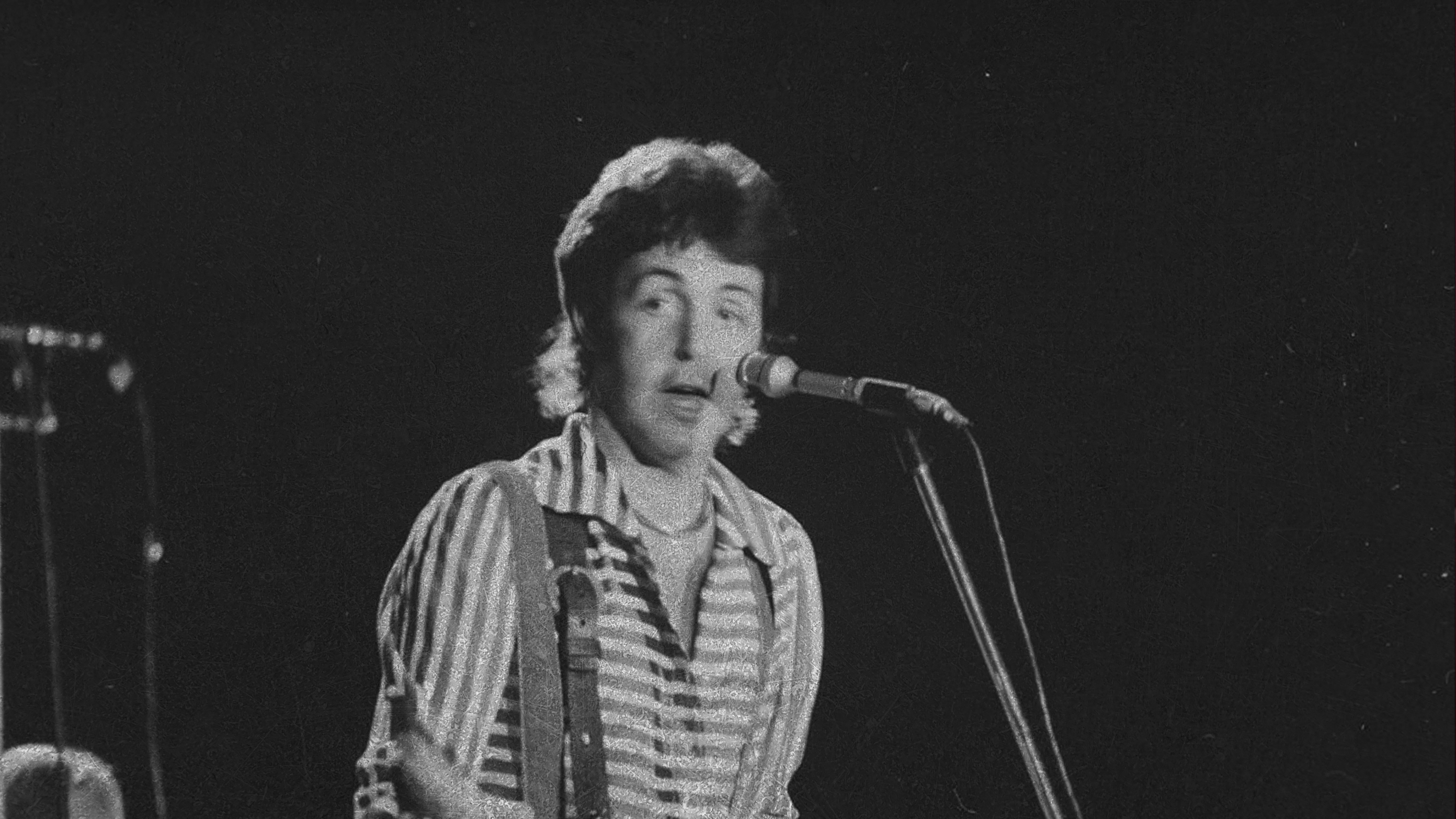
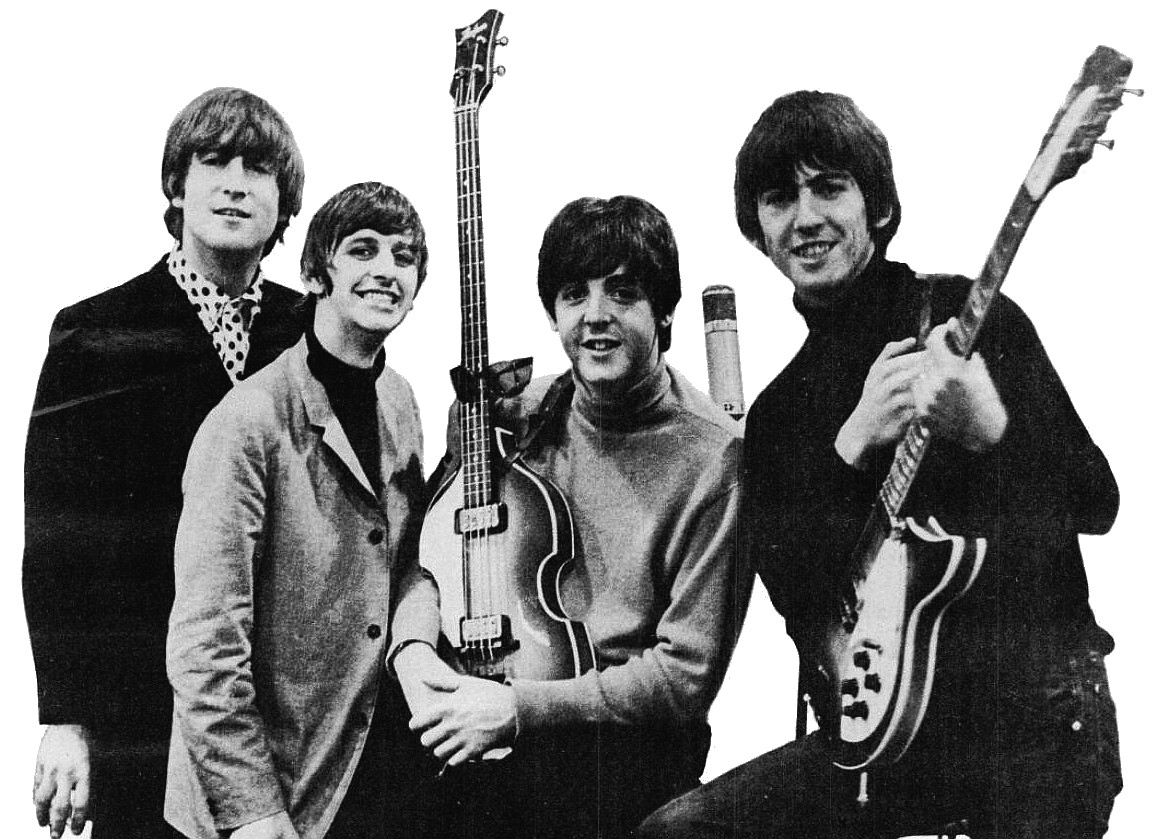
The summer of 1965… The hum of Beatlemania was no longer only in the streets but echoing through the Beatles’ very breaths. John Lennon and his bandmates were suffocating under the weight of becoming a global phenomenon. Fame had ceased to be a gift; it had become a tightening ring, a noise louder than applause. It was in this pressure cooker that Lennon was required to write a song for the band’s second film, Help! — and from this came one of pop history’s brightest-sounding yet most fragile cries for help.

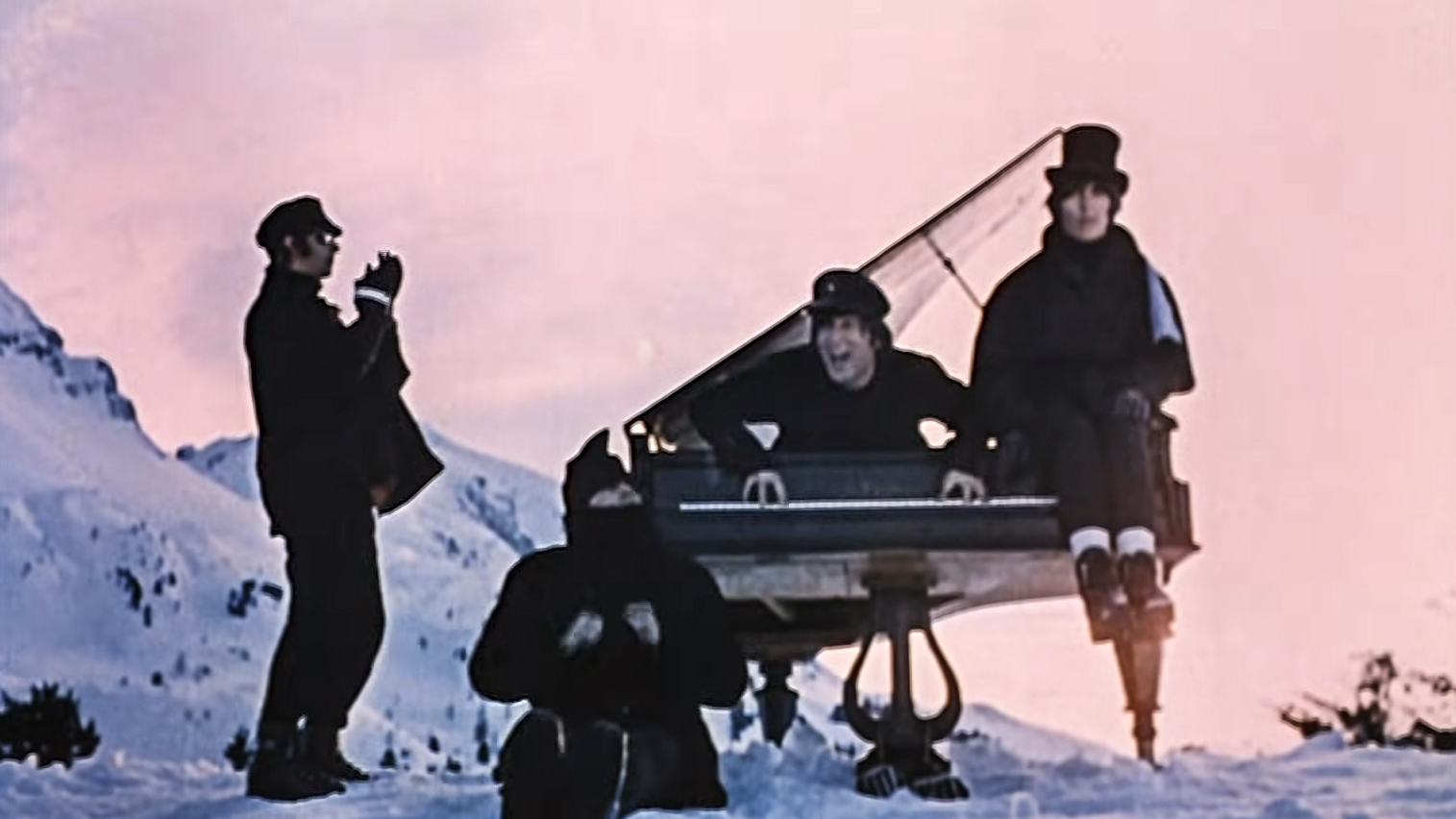
In his 1980 interview with David Sheff, Lennon recalls that period with striking clarity:
“I was fat and depressed and I was crying out for help.”
This statement strips the song of its cheerful surface, exposing the raw wound beneath. Despite its upbeat melody, the lines pulse with the inner voice of someone gasping for air.
The shadow of Lennon’s depression can be felt even in the song’s structure. As noted in Beatles Ebooks’ detailed analysis, the tight vocal harmonies that open the track create both urgency and intimacy, as if Lennon is whispering, “Come closer, I have something to confess.” His first version was much slower, but McCartney suggested speeding it up. Lennon later questioned this decision, remembering the tempo as something that “blurred what [he] was trying to say.” Still, the melody’s downward contour quietly reveals the character’s psychological descent — emotion attempting to resist the song’s imposed speed.
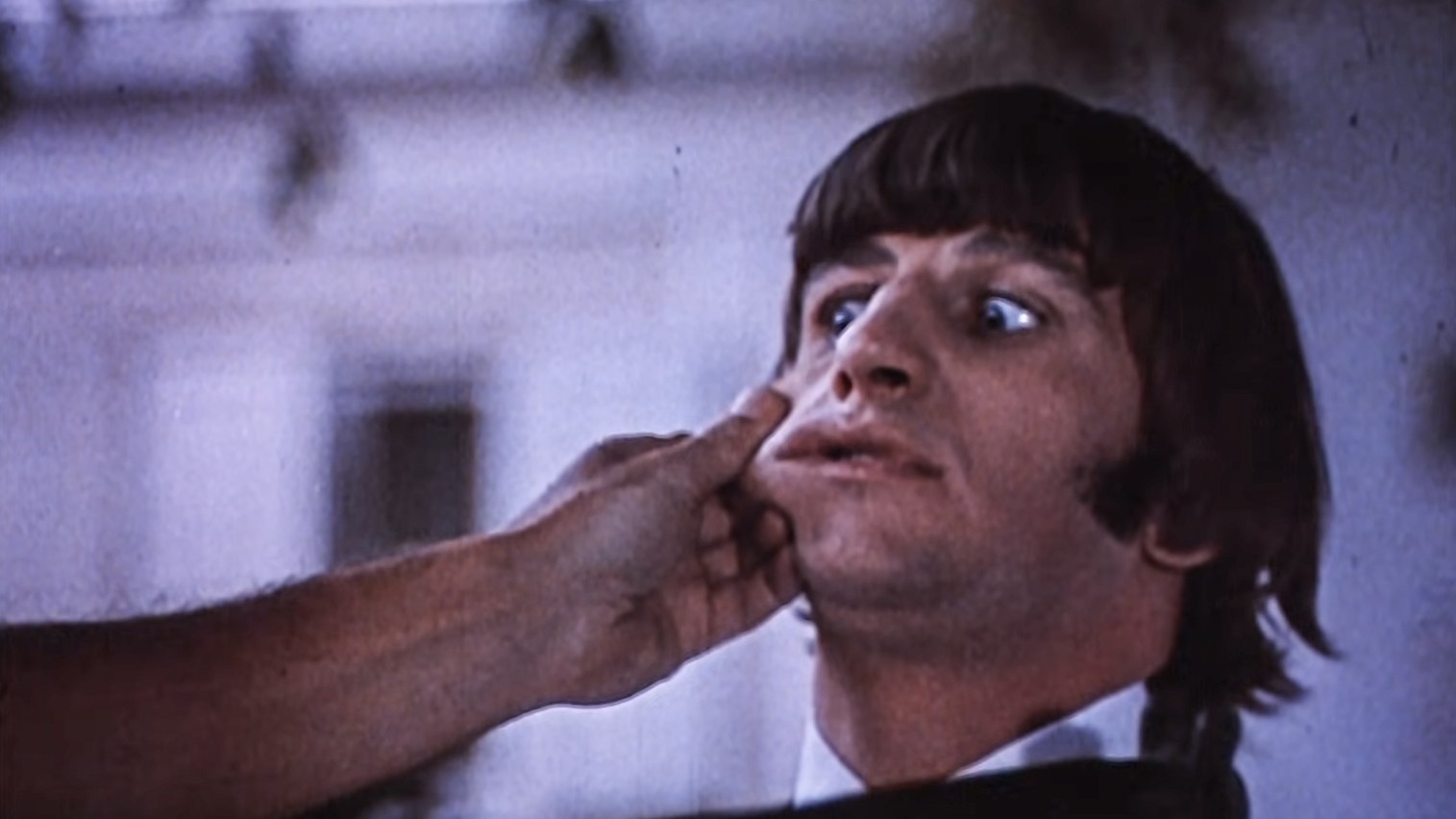
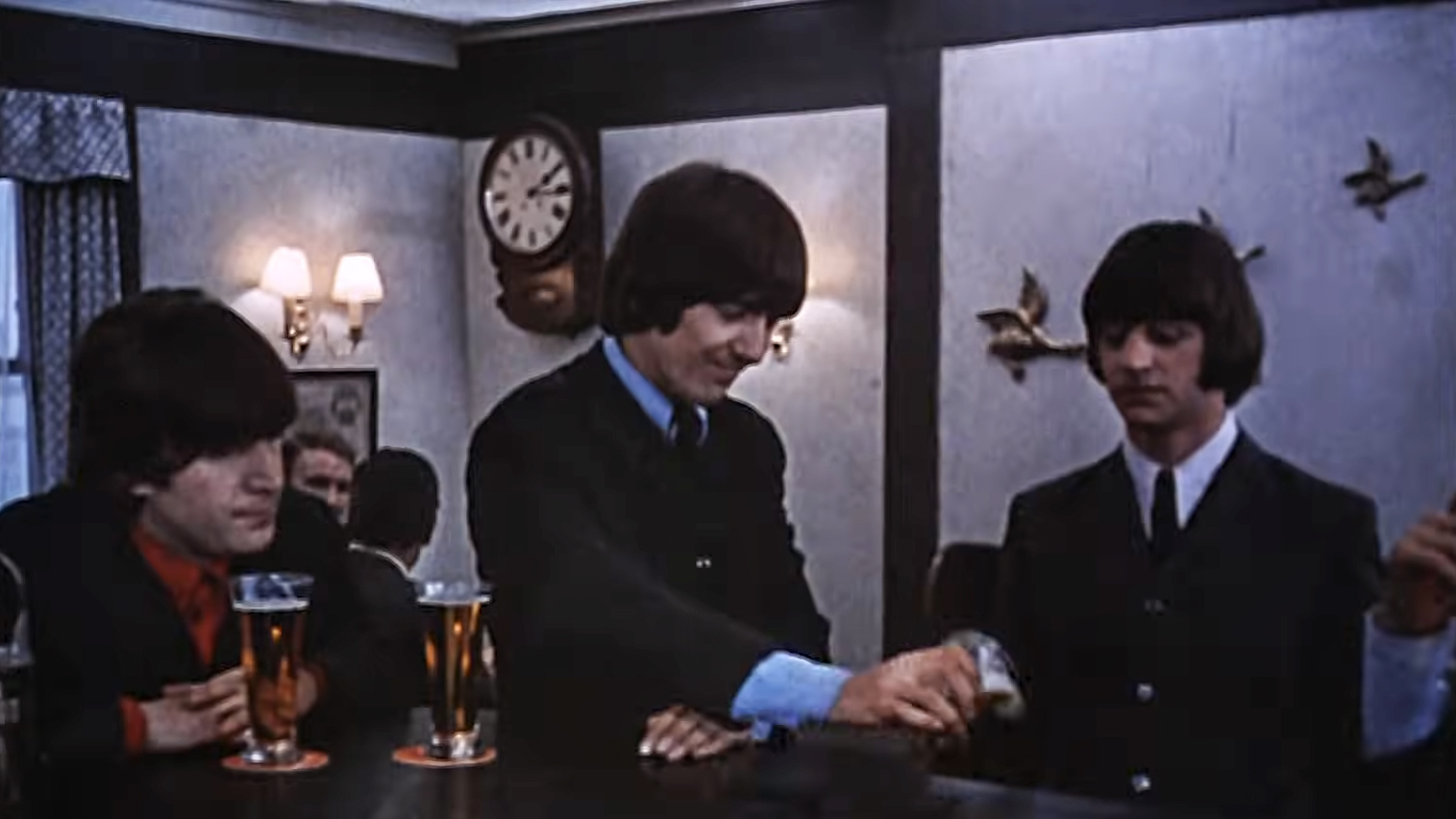
The immense pressure the Beatles were under during the filming of Help! echoes in the lyrics. The song is not merely part of the film; Lennon’s state of mind seems to seep between the lines of the screenplay. The film’s absurd, colorful tone — the cult chasing the Beatles in cartoonish fashion — contrasts sharply with the darkness Lennon could no longer fully hide. Beneath the laughter, a signal flickers: “This isn’t fun; it’s a flare shot while drowning.”
The song’s dramatic structure builds on this duality. In the opening, Lennon recalls a previous equilibrium — confident, independent, in control. The development section reveals how this balance collapsed, exposing the rift beneath the glamour. The chorus marks the emotional climax: Help me if you can, I’m feeling down… This is the moment when desperation can no longer be concealed. The resolution brings no real comfort; Lennon leaves the narrative unfinished, the scream suspended in midair — like a monologue cut short, continuing only in the listener’s mind.
Dramaturgically, Help! functions less like a pop tune and more like a dramatic monologue where inner action bursts through outer form. External action (the upbeat tempo, bright timbre, the film’s comic setting) clashes with internal action (depression, loneliness, exhaustion). The central conflict lies between what the world demands from Lennon and the fatigue consuming him from within. “Now I find I’ve changed my mind…” signals the story’s turning point, the moment he admits he can no longer uphold his own myth. From then on, the voice we hear is not a star’s — but a human’s.
This inner collapse mirrors the cruelty of the pop culture machine of the era — a system that polishes, accelerates, multiplies, and ultimately consumes its stars. Lennon’s cry foreshadows the tragedies stretching from Syd Barrett to the “27 Club.”
Listening to Help! today, we meet not only the Beatles of 1965 but also the modern individual: pressured by visibility, productivity, and constant self-display. All roads lead to the same plea — a search for the “help” that will bring our feet back to solid ground. Help! endures because it is no longer only Lennon’s cry, but that of the contemporary human. “Help!” becomes a mirror reminding us that behind every polished mask, there may be a voice quietly asking for rescue.
Watch The Beatles Help! Official Music Video
Serkan Firtina
Contributor, BritRock Heaven
Discussion
Sign in to comment
Join the conversation — sign in to share your thoughts on this article.
No comments yet. Be the first to share your thoughts!