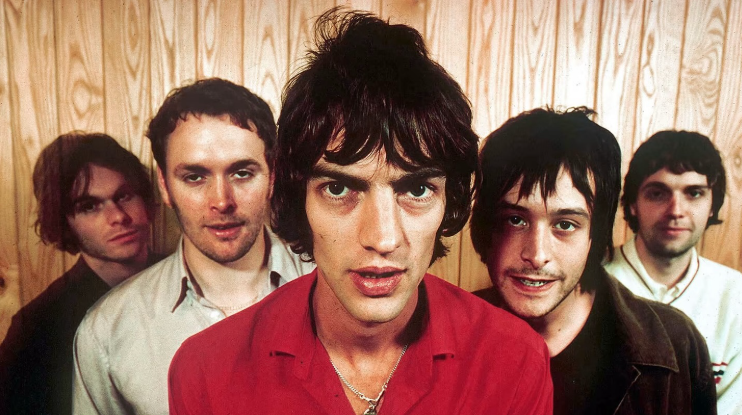
The Verve's Urban Hymns - In Retrospect
There are albums that age because people keep telling you they matter, and then there are albums that still hit because they never stopped meaning something. Urban Hymns belongs firmly in the latter group.
Released by The Verve in 1997, it arrived near the end of the Britpop explosion, when the swagger was beginning to feel tired and the party was starting to look a bit hollow. Urban Hymns did not reject that era completely. It was still huge, melodic, ambitious and built for mass connection. But emotionally, it felt like something else entirely.
That is why it still works. Not because it sold millions, not because “Bitter Sweet Symphony” became unavoidable, and not because it sits comfortably in every “greatest British albums”. It lasts because it captured a feeling that has never really gone away: the strange mix of hope, exhaustion, longing and quiet desperation that comes with trying to find strong meaning in ordinary life.
The Sound Of Something Bigger Than Britpop
By 1997, British guitar music was changing. Oasis had taken working-class ambition to stadium size, Blur had started moving away from Britpop’s cartoonish edges, and the scene that once felt fresh was beginning to sag under its own mythology.
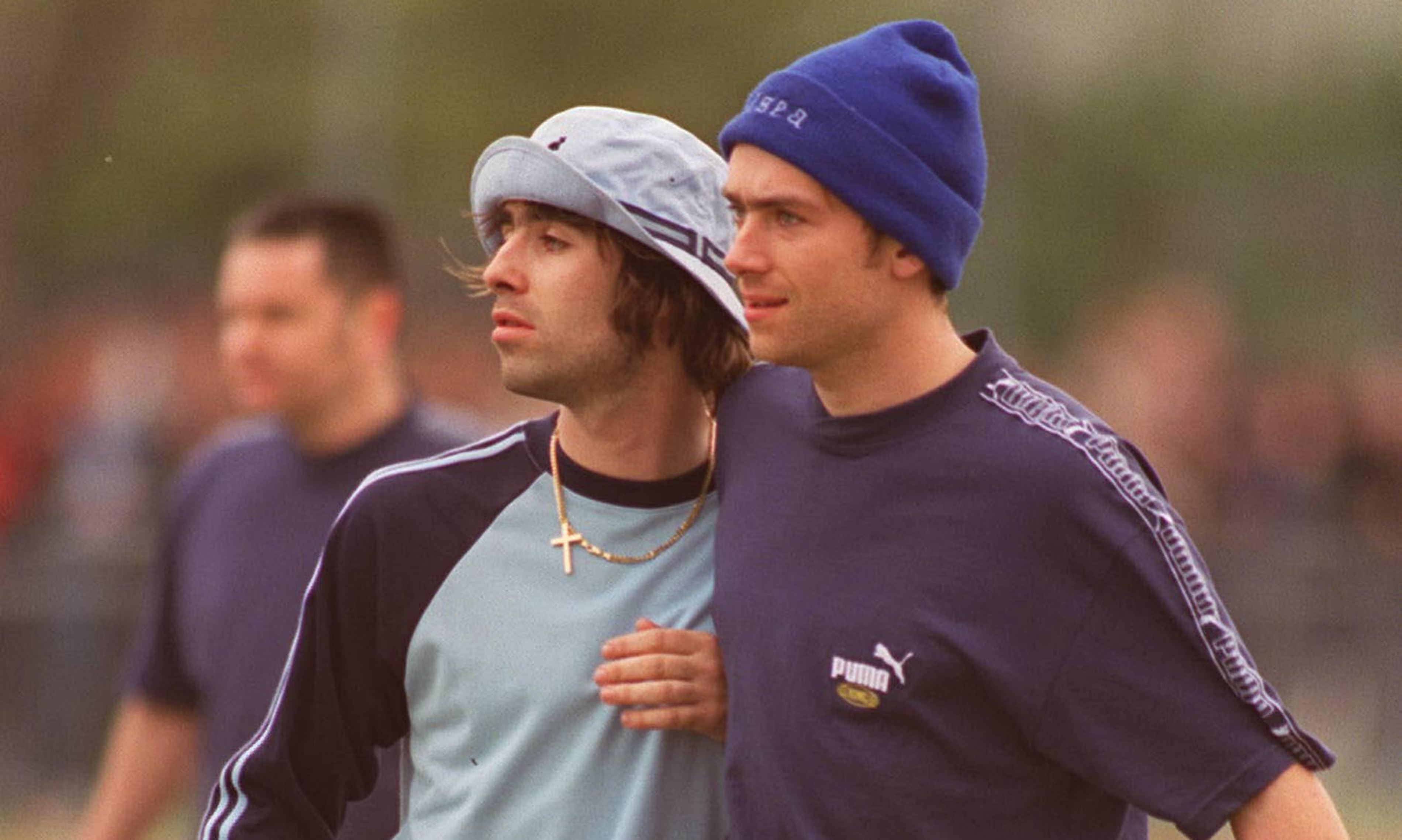
Liam Gallagher and Damon Albarn, 1996. Photo by Hulton Archive
Then came Urban Hymns, an album that had scale without sounding empty.
The record is massive, but not in the obvious “look how big this chorus is” way. Its size comes from atmosphere, patience and the strange emotional weather created by Nick McCabe’s guitar work. McCabe does not play like someone desperate to dominate the song, which, mercifully, already puts him ahead of half the guitarists of the 1990s. Instead, he builds around the edges. His playing drifts, shimmers and swells, turning simple progressions into something almost cinematic. On Urban Hymns, the guitar is not just there for riffs or volume. It becomes texture, tension and release.

Nick McCabe, Picture by Michael Spencer Jones
That is what gives the album so much of its emotional scale. The strings and slow-burning arrangements help, but McCabe’s guitar is often the thing that makes the songs feel weightless and enormous at the same time. He creates space rather than filling every gap, letting notes hang in the air and bleed into the atmosphere. Around that, Richard Ashcroft’s voice sits right at the centre, human and exposed, while the rest of the band stretch the songs out into something wide open. The result is music that can feel intimate enough to be personal, but vast enough to sound like it is echoing across an entire city.
That contrast is what makes the album so powerful. It can sound enormous while still feeling like someone is speaking directly to you. “The Drugs Don’t Work” is intimate enough to feel private, yet big enough to stop a festival field dead. “Lucky Man” sounds like sunlight breaking through cloud, but there is still a sadness sitting underneath it. “Sonnet” is romantic, but never clean or simple. Even in its warmth, the album carries weight.
Richard Ashcroft’s Voice At The Centre Of It All
A huge part of the album’s power comes from Richard Ashcroft. On Urban Hymns, he does not sound like a frontman trying to impress you. He sounds like someone trying to survive his own thoughts.

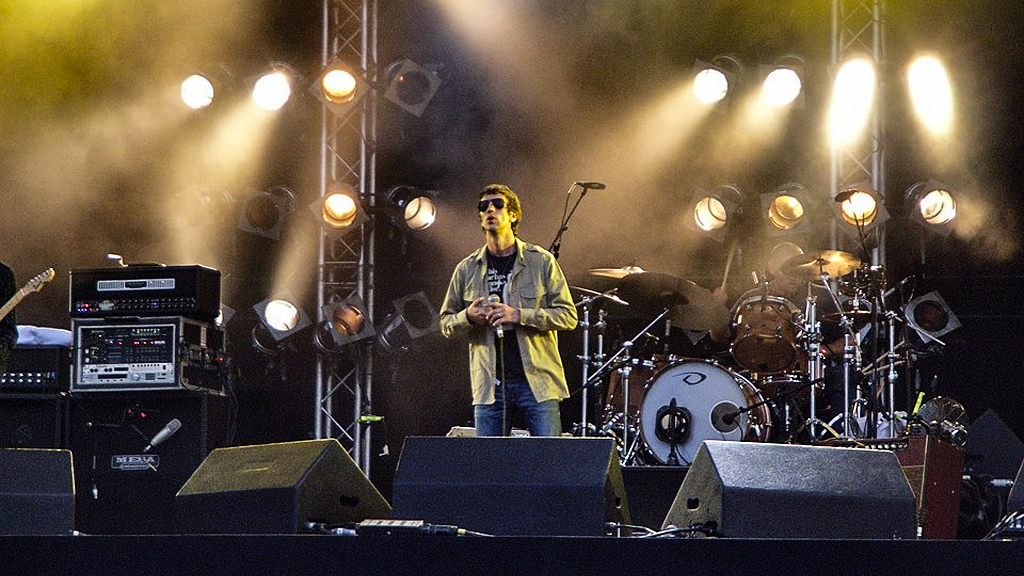
Photo by Jim Dyson
That may well be the key difference between Urban Hymns and a lot of Britpop records around it. So much of the era was built on attitude, irony, escape and noise. Ashcroft brought something more exposed. His writing was grand, sometimes spiritual, bruised, sometimes painfully direct, but very rarely detached.
He had the presence of a rock star, but the songs were not emotionally untouchable. “Bitter Sweet Symphony” works because it is both defiant and defeated. It walks forward with its chest out, but the lyric underneath is trapped in frustration. It is not just an anthem because it sounds big. It is an anthem because it understands what it feels like to be stuck. That is a far more useful emotion than empty triumph, sadly for the human race.
Ashcroft’s best writing on the album sits in that uncomfortable place between belief and collapse. He reaches for love, grace, escape and purpose, but he never makes any of it sound easy. That vulnerability gives the album its depth.
Intimacy And Scale In The Same Breath
The genius of Urban Hymns is that it never chooses between the bedroom and the stadium. It somehow lives in both.
A song like “The Drugs Don’t Work” is devastating because of how plain it feels. There is no overcomplicated metaphor hiding the pain. It is direct, slow and heavy, with the kind of emotional simplicity that most writers spend years trying to reach and usually ruin by adding twelve extra lines. It became one of the defining British songs of the decade because it sounded like grief without theatre.
Then you have “Bitter Sweet Symphony”, a track that feels cinematic from the first second. It turns personal frustration into something almost architectural. It is built like a city street, constantly moving, full of people, full of pressure, full of life carrying on whether you are ready or not.
That is the album’s emotional trick. It makes private feelings feel communal. It takes loneliness, regret and longing and turns them into songs thousands of people can sing back together. Not in a cheap, arms-around-each-other way. More like a shared recognition that everyone is carrying something.
More Than A Britpop Victory Lap
It is easy to file Urban Hymns under Britpop because of the timing, the scale and the cultural moment around it. But really, it feels like one of the records that helped close that chapter.
Where some Britpop records were fuelled by confidence, Urban Hymns was fuelled by searching. Where the scene often celebrated personality, this album reached for something more spiritual and wounded.
That is why it still feels different. It was not just another big British guitar record. It was a comedown album released while the party was technically still going.
In that sense, Urban Hymns captured the emotional shift of late-90s Britain better than almost anything else. The optimism was still there, but it had cracks in it. The ambition was still there, but the certainty had gone. The choruses were still huge, but they were carrying far more doubt than swagger.
Why It Still Connects Today
The reason Urban Hymns still resonates is simple: it does not rely on nostalgia to work.
You do not need to have lived through 1997 to feel it. You do not need to remember the charts, the headlines, the videos, the parkas or the endless cultural recycling of the decade. The emotional core of the album is still completely readable now.
People still feel trapped. People still chase meaning. People still want love to save them, even when they know it probably cannot do all the heavy lifting. People still walk through life trying to convince themselves they are fine while one song away from completely folding. Music has built an entire industry on this inconvenience.
That is why songs like “Lucky Man”, “Sonnet”, “The Drugs Don’t Work” and “Bitter Sweet Symphony” have not faded into period pieces. They still speak to something ordinary and massive at the same time. They make everyday emotion feel grand without making it fake.
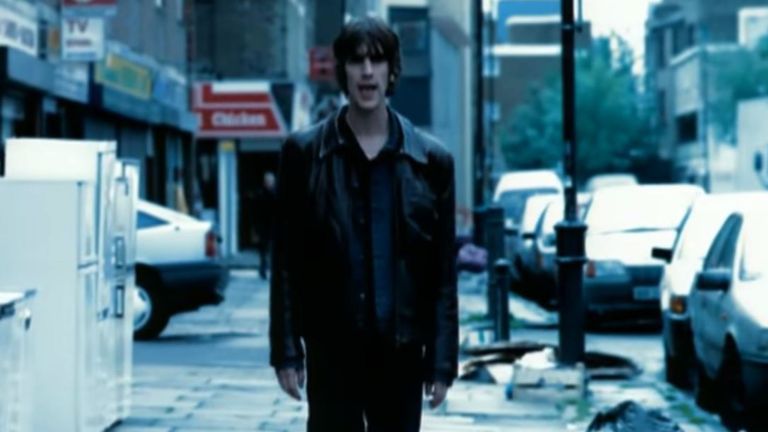
The Lasting Power Of Urban Hymns
Urban Hymns remains one of the most emotionally powerful British albums of the 1990s because it understood scale as more than volume. Its ambition was not just musical. It was emotional.
The Verve made an album that sounded huge because the feelings inside it were huge. Richard Ashcroft gave those feelings a voice that could be wounded, arrogant, hopeful and broken all at once. The band wrapped that voice in music that could drift, swell, ache and explode without losing its sense of humanity.
That is why Urban Hymns still matters. Not because it belongs to the 1990s, but because it managed to bottle something much harder to date: the sound of people trying to keep going.
And decades later, that still feels painfully relevant.
James Waddingham
Collaborator, BritRockHeaven
Discussion
Sign in to comment
Join the conversation — sign in to share your thoughts on this article.
No comments yet. Be the first to share your thoughts!