What Is Dynamic Pricing for Concert Tickets and Why Do Fans Hate It?
You've waited two hours in an online queue. You've finally reached the front. The £100 ticket you expected to buy suddenly costs considerably more.
Welcome to one of the most controversial parts of modern gig-going. Dynamic pricing has become a major talking point around concert tickets in recent years, particularly following the chaos surrounding the Oasis reunion ticket sale in 2024.
But what actually is dynamic pricing, how does it work, and why do music fans hate it so much?
What is dynamic pricing?
Dynamic pricing is a system where the price of something can change depending on market conditions.
In ticketing, that could theoretically mean prices increasing when demand for a particular concert is extremely high.
It's a concept most people already encounter elsewhere. Airline tickets and hotel rooms, for example, can cost dramatically different amounts depending on when you book and how much demand there is.
The controversy comes when a similar principle is applied to gigs.
A fan might enter a ticket sale expecting one price, only to discover that the available tickets cost significantly more by the time they reach the front of the queue.
What happened with Oasis tickets?
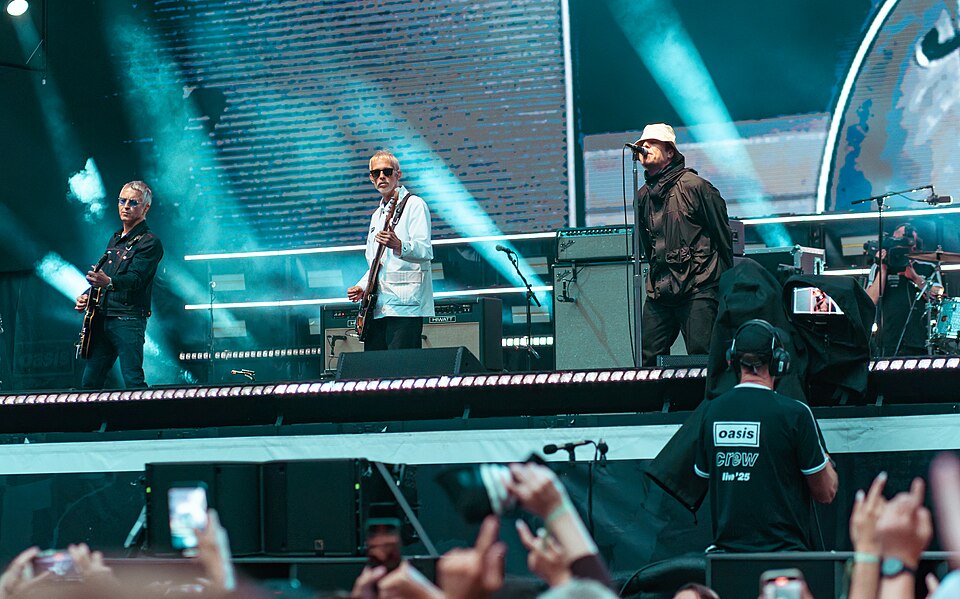
The Oasis Live ’25 reunion tour became perhaps Britain's most infamous recent example of the problem. Hundreds of thousands of fans joined enormous online queues when tickets went on sale in August 2024.
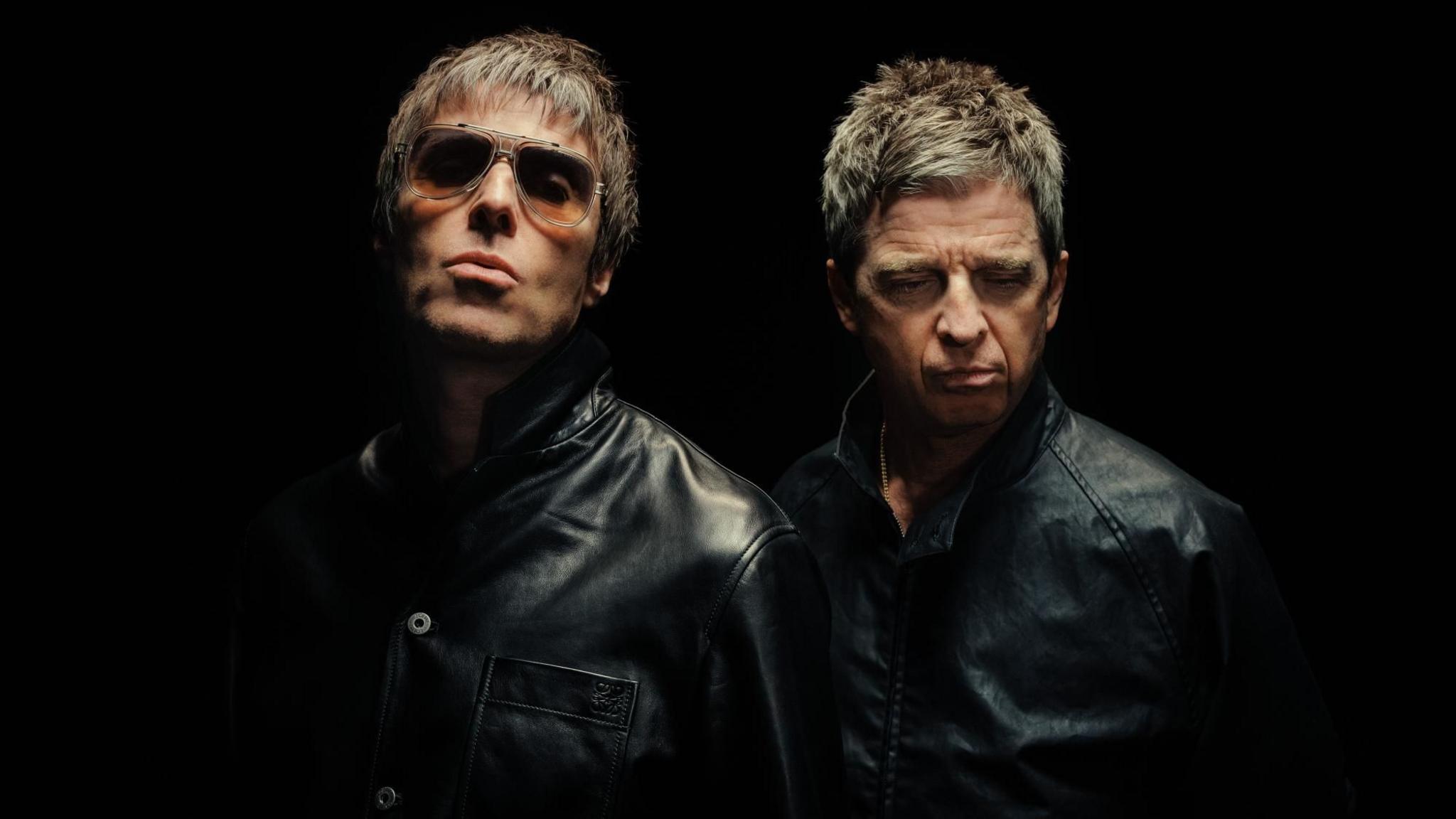
Oasis announce World Tour for 2027 © Joshua Halling
Some standing tickets that fans expected to cost around £150 were eventually being offered at more than £350. The backlash was enormous.
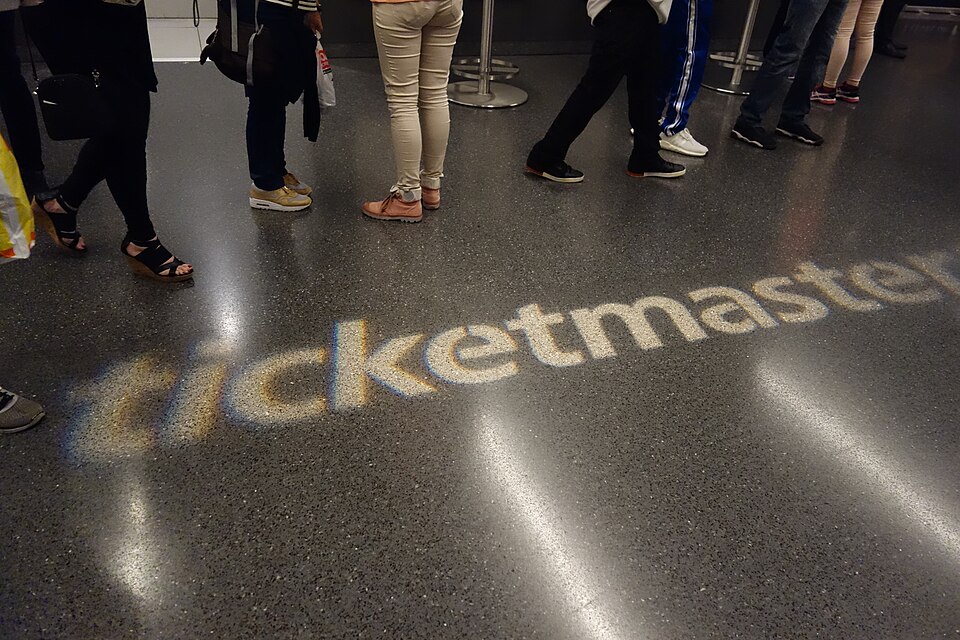
The UK's Competition and Markets Authority subsequently launched an investigation into Ticketmaster following complaints from Oasis fans. However, there's an important detail that often gets missed.
Despite the Oasis sale repeatedly being described as an example of dynamic pricing, the CMA later said it did not find evidence that Ticketmaster had used an algorithm to adjust standing ticket prices in real time according to demand.
Instead, standing tickets had been divided into different price tiers. A batch of cheaper standing tickets was sold first. Once those disappeared, a second batch of substantially more expensive standing tickets became available.
The problem was that many fans waiting in lengthy queues hadn't been clearly told this would happen.
So was Oasis actually dynamic pricing?
Not in the way most people understand the term. The CMA ultimately described the Oasis system as tiered pricing, rather than real-time algorithmic dynamic pricing.
But from a fan's perspective, the experience could feel remarkably similar. You joined a queue expecting tickets around one price and, several hours later, discovered the remaining equivalent standing tickets were considerably more expensive.
The CMA also raised concerns around Ticketmaster's use of some “platinum” tickets, which could cost almost two-and-a-half times as much as standard tickets despite offering no additional benefits over some standard tickets in similar areas.
Why is dynamic pricing so controversial?
The biggest criticism is simple: fans often don't know exactly what they're going to pay until they're already deep into the buying process. Concert tickets aren't ordinary products either.
If a television suddenly becomes too expensive, you can wait or buy another television. If your favourite band announces what could be their only hometown show for years, there isn't necessarily an alternative. That creates enormous emotional demand.
Add limited tickets, huge online queues and a countdown timer at checkout and fans can feel pressured into making a very expensive decision quickly. There is also the question of fairness.
Two people could theoretically attend the same concert, stand in effectively the same place and have paid very different amounts for the privilege.
Is dynamic pricing illegal in the UK?
Dynamic pricing itself isn't automatically illegal. However, businesses still have to comply with UK consumer protection law, including requirements around clear and accurate pricing.
Following its Oasis investigation, the CMA secured commitments from Ticketmaster to change how future ticket sales operate. Ticketmaster must now give fans advance warning when tiered pricing is being used, provide clearer information about the range of prices when people enter queues and update customers when cheaper ticket categories sell out.
The company also agreed not to use misleading ticket labels.
Why do artists use it?
The argument in favour of variable ticket pricing is largely economic. When demand massively exceeds supply, tickets can immediately appear on resale websites at huge mark-ups.
Higher primary-market prices potentially allow artists, promoters and organisers to capture more of that value rather than leaving it to ticket touts. It can also theoretically allow different prices to be offered across different areas and levels of demand.
The problem is that none of that makes paying hundreds of pounds more than expected particularly enjoyable for the person who's spent Saturday morning staring at “2,847 people ahead of you.”
Will dynamic pricing disappear?
Variable pricing already exists across huge parts of the economy, and the CMA has acknowledged that different pricing models can potentially provide benefits when they're used transparently. What does appear to be changing is how clearly fans must be told about them.
The Oasis controversy ultimately resulted in Ticketmaster agreeing to give customers substantially more information about ticket prices before and during future sales. And perhaps that's the real lesson from Oasis.
Fans can decide whether a £350 ticket is worth £350. They just deserve to know it might cost £350 before spending several hours trying to buy one.
James Waddingham
Collaborator, BritRockHeaven
Discussion
Sign in to comment
Join the conversation — sign in to share your thoughts on this article.